
Is an Open-Air Tourist Cart the Right Fit for a Theme Park in 2026?
As theme parks prepare for 2026, guest mobility, comfort, and operational efficiency are becoming more important than ever. Choosing an open air tourist cart for theme park transportation can improve visitor flow, enhance the sightseeing experience, and support sustainable operations. But is this vehicle type the right investment for your park’s future needs? Understanding its benefits, limitations, and best-use scenarios is the first step toward making a smarter decision.
For most parks, the short answer is yes, but only when the cart matches the park’s layout, guest profile, climate, and service model. An open air tourist cart for theme park use can deliver clear value in shuttle routes, guided tours, VIP movement, and accessibility support. It is less effective when operators expect one vehicle type to solve every internal and guest transportation need.
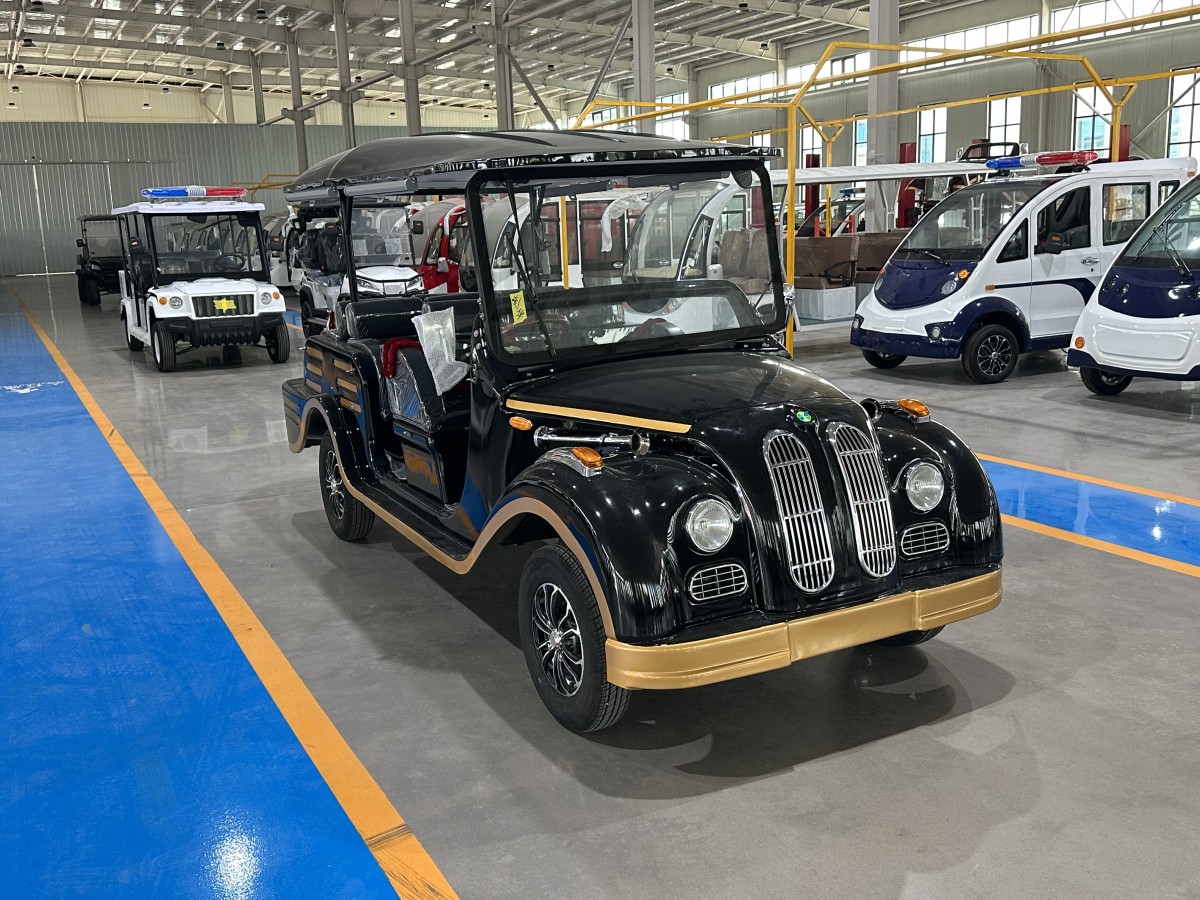
What Is the Real Decision Theme Park Operators Are Trying to Make?
When buyers search for an open air tourist cart for theme park operations, they usually are not looking for a generic vehicle definition. They are trying to decide whether this equipment will improve guest experience enough to justify the purchase.
That decision is rarely about the cart alone. It is about route design, seasonal volume, boarding speed, labor efficiency, maintenance burden, safety standards, and the image the park wants to present to guests in 2026.
Park owners, operations managers, procurement teams, and mobility planners typically want a practical answer to three questions. Will the cart reduce transport friction, fit the park’s traffic pattern, and produce measurable operational value within a reasonable time frame?
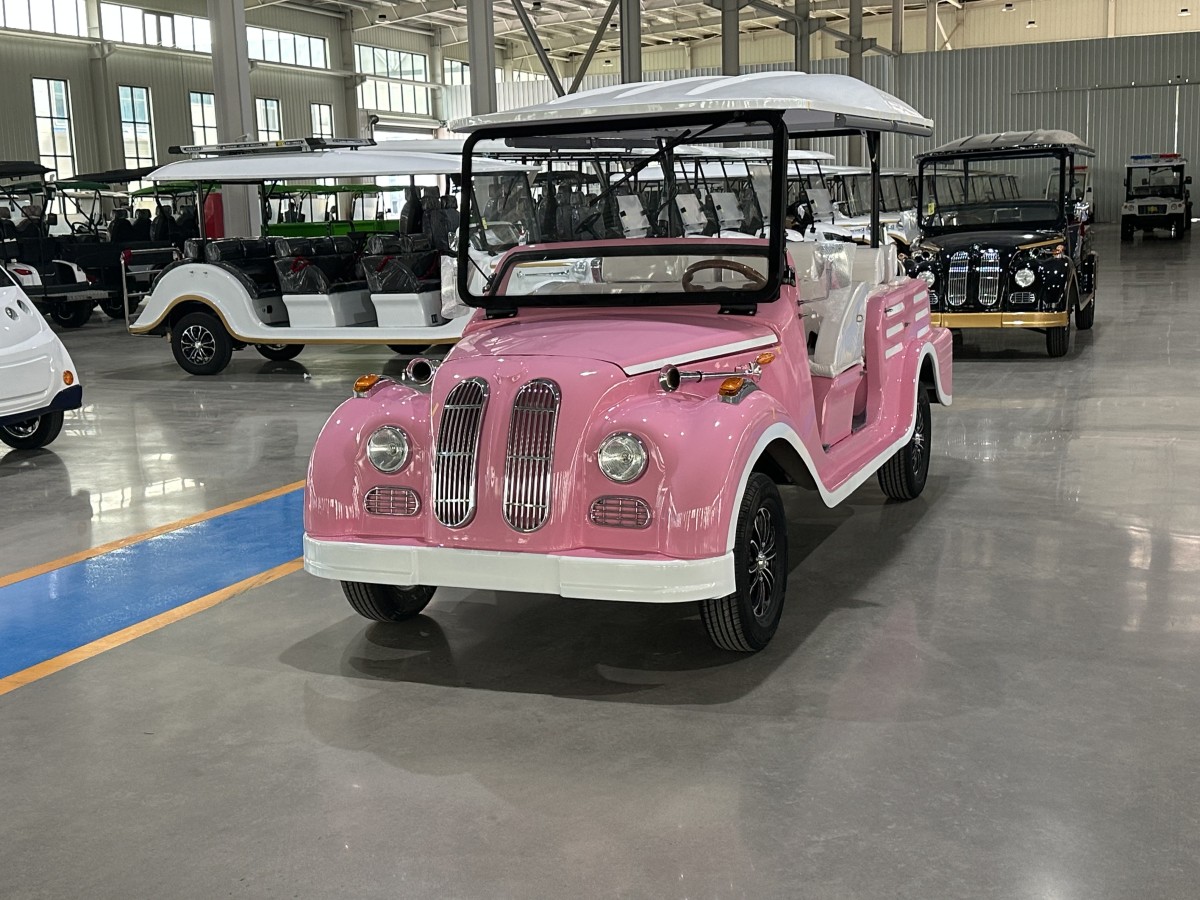
Why Open-Air Tourist Carts Are Getting More Attention for 2026
Theme parks are under pressure to move more people with less congestion. At the same time, guests expect smoother mobility, shorter waits, more comfort for families, and better support for seniors and visitors with limited walking tolerance.
Open-air vehicles are gaining attention because they support all of those goals without creating the heavy infrastructure demands associated with larger transit systems. They are flexible, relatively quick to deploy, and visually suited to leisure environments.
In 2026, this matters even more because parks are balancing cost control with experience upgrades. A well-chosen tourist cart can help operators improve circulation while also adding a premium transportation layer that guests actually notice.
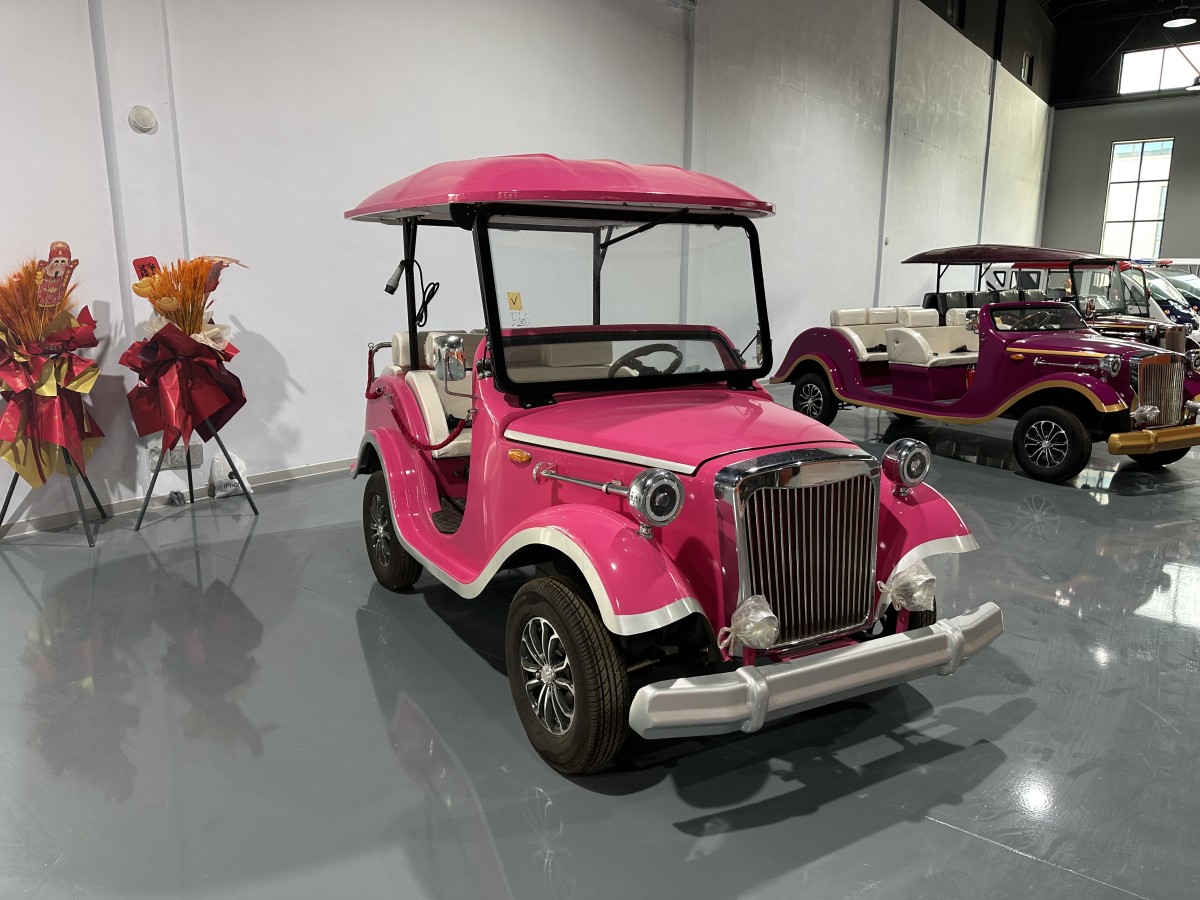
Where an Open Air Tourist Cart for Theme Park Use Delivers the Most Value
The strongest use cases are not universal transport across every path. The best value appears when the vehicle is assigned to clear, repeatable functions that reduce walking strain or operational delay in specific zones.
Large entrance-to-gate transfers are one common example. Guests arriving from parking lots, hotels, ferry points, or outer transport hubs often benefit from a short, comfortable ride before entering the main attraction area.
Guided sightseeing loops are another strong application. In parks with scenic landscaping, animal zones, resort-style grounds, or spread-out themed districts, an open-air cart turns transportation into part of the attraction rather than a back-end utility.
VIP service is also a practical fit. Premium ticket holders, private group visitors, corporate guests, and special event attendees often expect fast and visible transport support. Open-air carts provide that service without the formal feel of enclosed shuttles.
Accessibility assistance is equally important. Not every guest requires a medical mobility device, but many appreciate a low-stress transportation option. Families with young children, elderly visitors, and guests needing occasional rest often benefit from this middle-ground solution.
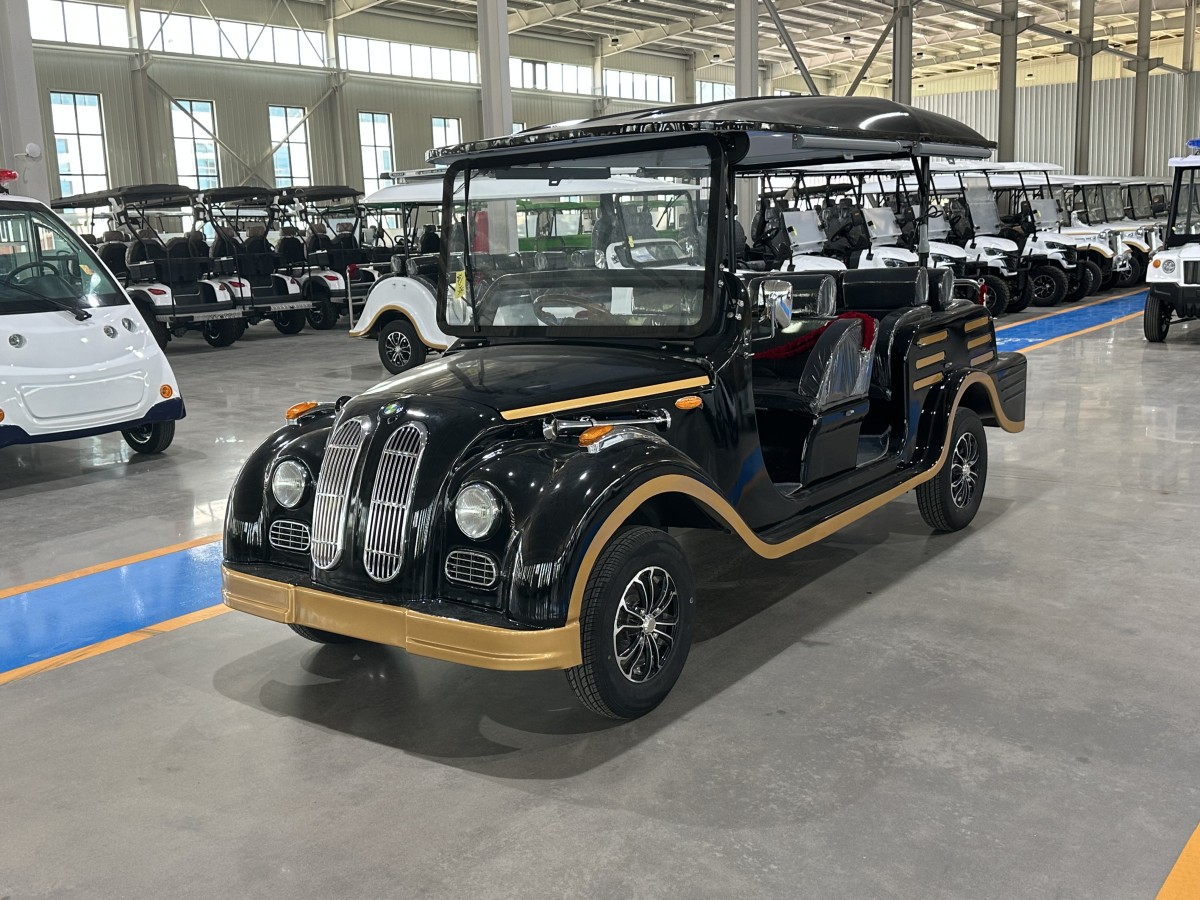
What Business Benefits Matter Most to Park Management
Management teams generally care less about vehicle novelty and more about measurable outcomes. The right cart should improve throughput, reduce friction at key transfer points, and support higher guest satisfaction during peak operating periods.
One direct benefit is better traffic distribution. When guests can move efficiently between high-demand areas, parking zones, hotels, and secondary attractions, crowd pressure becomes easier to manage across the broader site.
Another advantage is labor efficiency. A vehicle that is easy to operate, quick to board, and simple to route can let staff support guest movement with fewer delays and less manual intervention than ad hoc transportation methods.
There is also branding value. An open air tourist cart for theme park service can reinforce a welcoming, relaxed, resort-like atmosphere. For parks that position themselves around comfort and experience, that visual impression supports the broader brand promise.
Finally, the right fleet can create revenue-supporting opportunities. Premium tours, sponsored routes, priority transport packages, and hotel-to-park mobility services can all become easier to structure when a dedicated transport vehicle is available.
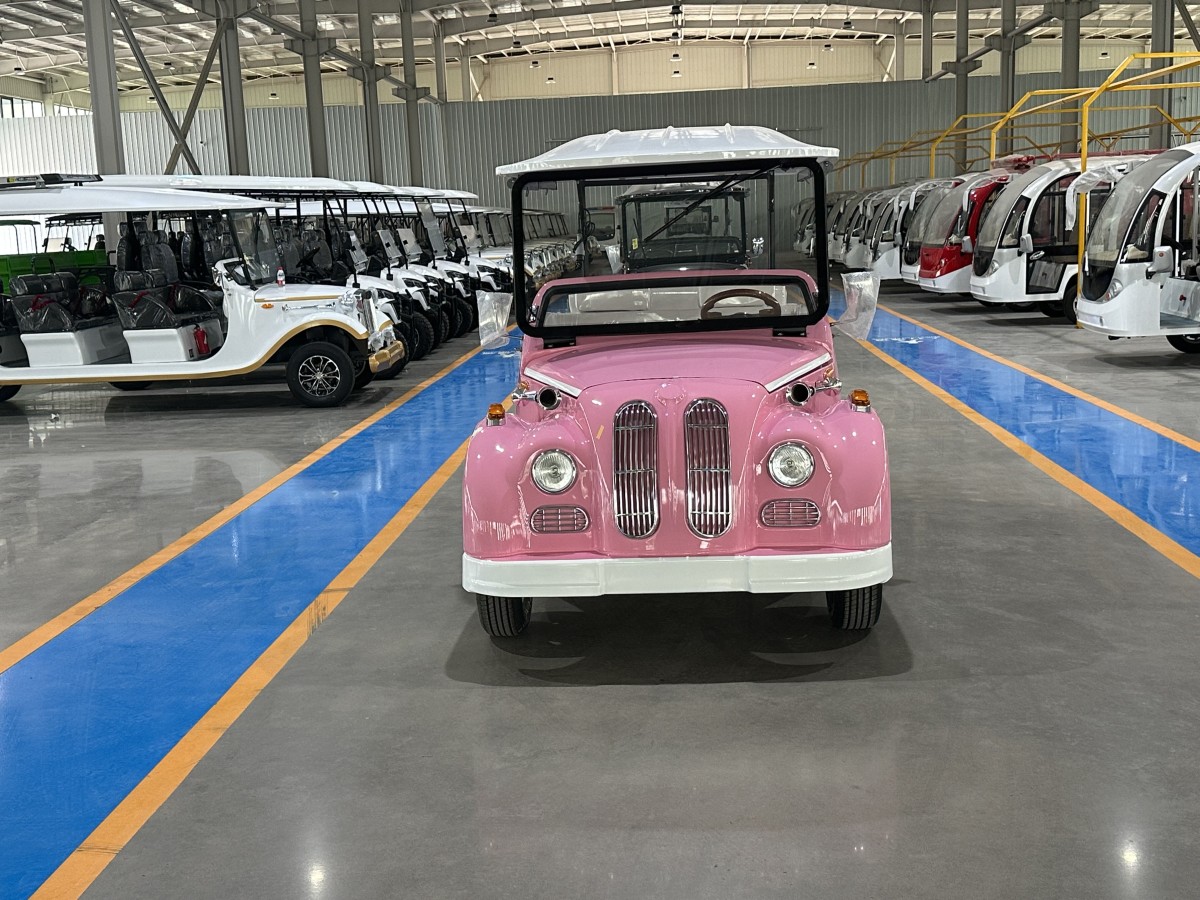
How Guest Experience Changes When the Vehicle Choice Is Right
Guests do not evaluate transport in technical terms. They judge it by how easy, comfortable, and intuitive it feels. That is why vehicle choice affects perception far beyond the route itself.
An open-air cart creates visibility and connection to the surroundings. Visitors can enjoy themed scenery, stay oriented, and feel part of the park environment instead of being separated from it by a closed transport shell.
Boarding is often easier and less intimidating than larger shuttles. For short transfers, guests generally prefer a vehicle that feels immediate, informal, and accessible, especially when traveling with children or carrying personal items.
That said, comfort expectations are rising. Seats, suspension, shade, entry design, and ride smoothness all matter. A cart that looks attractive but performs poorly on heat, noise, or ride quality can quickly become a guest complaint source.
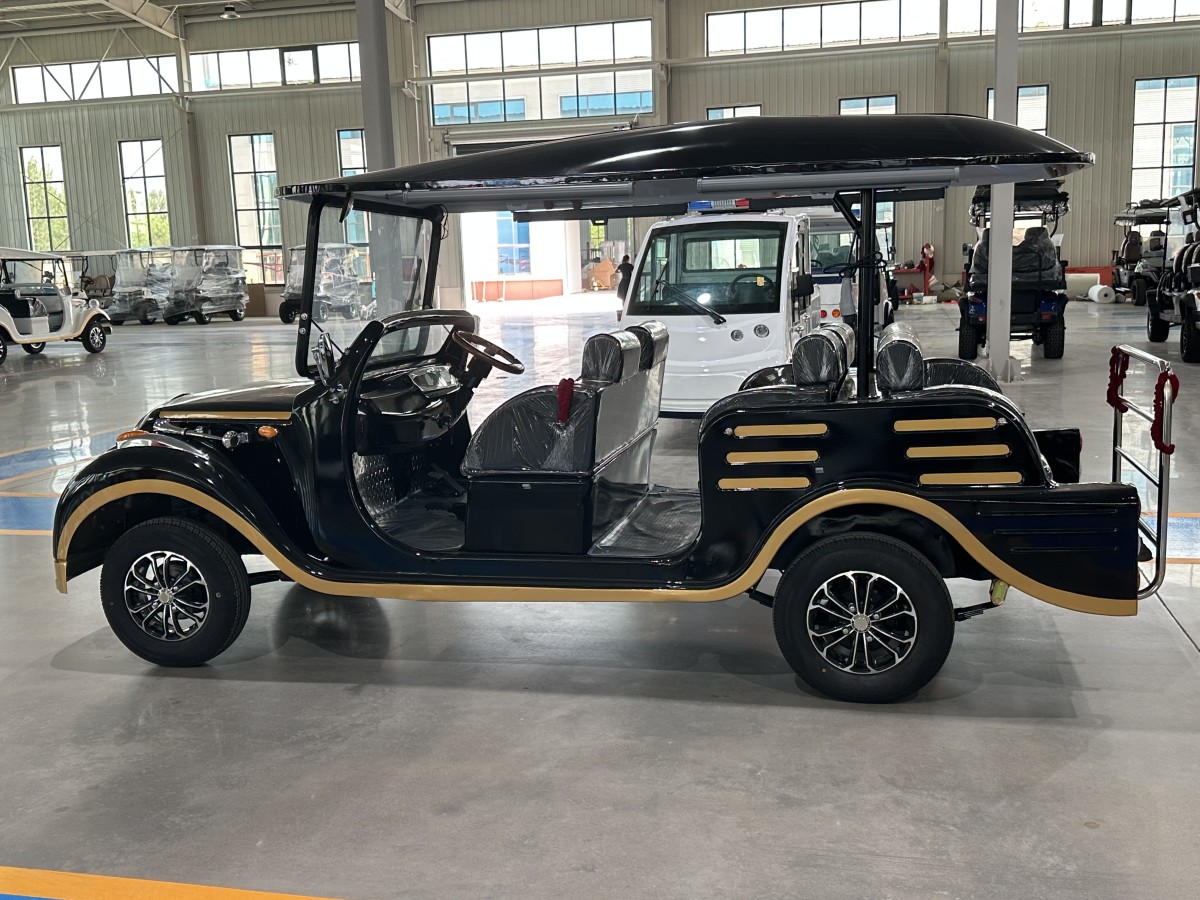
What Limitations Should Operators Understand Before Buying
Open-air carts are not the best answer for every park environment. Their limitations become obvious when weather exposure, route length, terrain, or passenger demand exceed what this vehicle type handles well.
Climate is the first major constraint. In very hot, rainy, windy, or cold locations, open designs may reduce guest comfort unless the vehicle includes practical weather features such as canopies, side protection, or optional seasonal enclosures.
Capacity is another issue. If route demand is consistently high, small or mid-sized carts may create loading queues, dispatch complexity, and staffing inefficiency. In that case, larger shuttle systems or mixed-fleet planning may be more sensible.
Terrain and surface conditions matter as well. Steep grades, rough paths, and uneven turns place more strain on the vehicle and can reduce ride comfort. Operators should evaluate actual route conditions instead of relying on brochure claims.
There is also the risk of underutilization. Some parks buy mobility vehicles with broad expectations, then discover they only fit a narrow set of routes. Without route planning and demand analysis, the return on investment can disappoint.
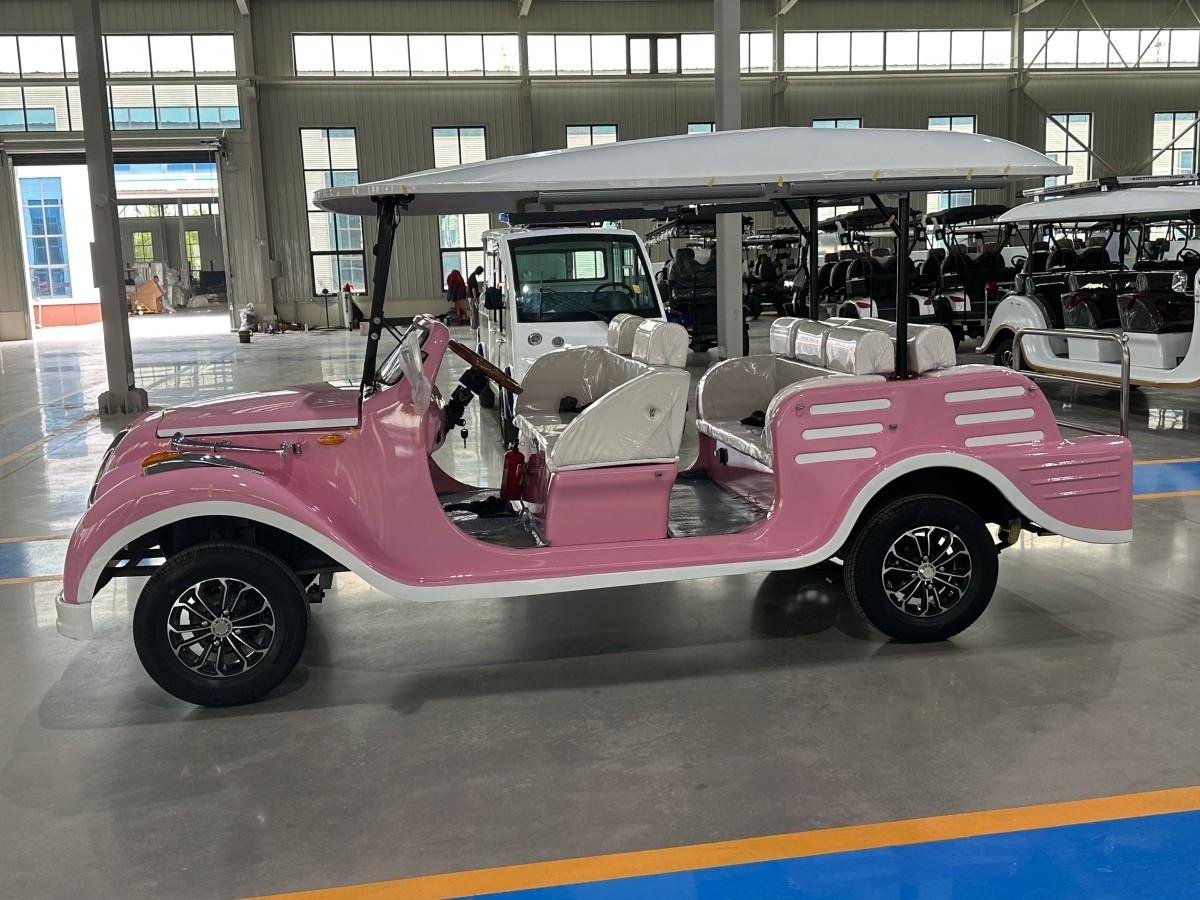
Which Features Actually Matter When Comparing Models
Not every specification deserves equal attention. Buyers should focus on the features that affect guest safety, operating cost, route suitability, and long-term service reliability.
Passenger capacity should match real demand, not ideal-case assumptions. A cart that is too small increases dispatch frequency, while one that is too large may struggle with maneuverability in tighter themed environments.
Battery range and charging strategy are critical for electric fleets. Parks should examine route length, idle time, charging windows, and seasonal operating hours to avoid mid-day downtime or underpowered deployment.
Safety design deserves close review. Reliable braking, stable turning, lighting, speed control, easy entry, anti-slip flooring, and clear driver sightlines all matter more than cosmetic styling features.
Maintenance access is another practical differentiator. If replacement parts, service support, or diagnostics are difficult to obtain, the low purchase price can be offset quickly by vehicle downtime and operational disruption.
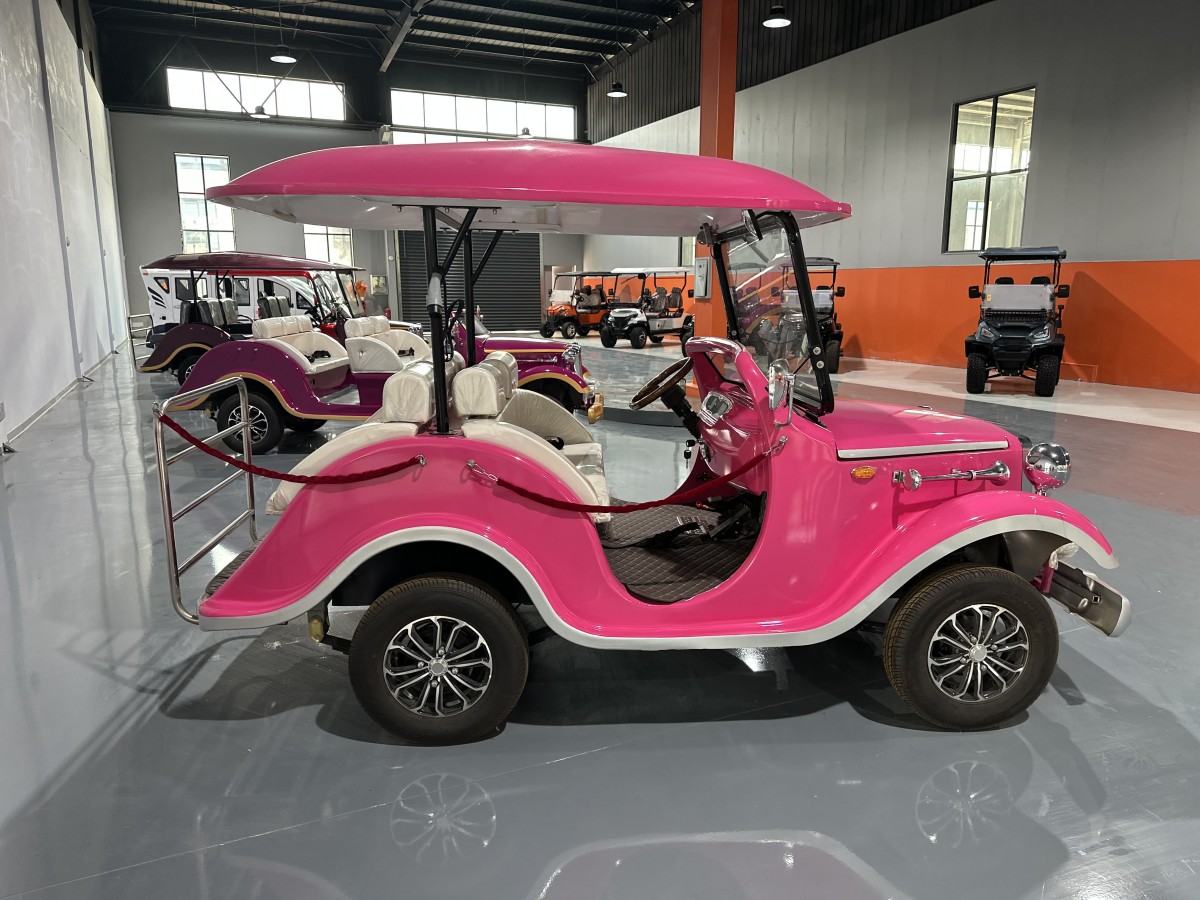
How to Decide If This Vehicle Fits Your Park Layout
The best purchase decisions start with route mapping, not catalogs. Operators should identify where guests lose the most time or energy and where a cart service would remove meaningful friction.
Start by reviewing transfer points. Look at parking areas, remote entrances, resort links, topographic changes, and distances between anchor attractions. These are the places where guest mobility problems usually become visible first.
Next, estimate actual rider types. Are you mainly serving families, elderly visitors, VIP groups, or general circulation traffic? The answer affects seating layout, boarding style, route frequency, and service expectations.
Then assess environmental fit. Wide pathways, predictable turning areas, manageable grades, and safe boarding zones are necessary if the vehicle is going to operate smoothly during both normal and peak attendance periods.
Finally, decide whether the service is functional, premium, or mixed. A sightseeing loop has different requirements from a backstage-to-front-gate shuttle or an accessibility support route. Clear purpose leads to better buying choices.
Should You Choose Open-Air Carts Instead of Larger Shuttle Options?
The choice is not always either-or. Many parks get better results from a layered transport system where open-air carts handle short scenic or premium routes while larger shuttles cover high-volume corridors.
Open-air carts usually win on flexibility, guest visibility, ease of deployment, and atmosphere. They are especially effective in environments where the ride itself should feel pleasant and integrated with the park experience.
Larger enclosed vehicles tend to perform better for weather protection, higher passenger volumes, and longer-distance transport. If your park faces intense seasonal surges, they may be the more reliable choice for core mass movement.
For many operators, the smarter question is not which vehicle is best overall. It is which vehicle is best for each route type. That framing leads to more efficient fleet planning and fewer expensive mismatches.
What a Smart 2026 Purchase Decision Looks Like
A smart decision is based on service goals, route reality, and operating economics. It is not based only on appearance, trend appeal, or broad assumptions about guest convenience.
If your park needs flexible transport for short to medium distances, wants to improve comfort without major infrastructure work, and can define clear operating scenarios, an open air tourist cart for theme park use is often a strong fit.
If your main challenge is moving very high passenger volumes through bad weather across long distances, the cart may still help, but probably as part of a mixed fleet rather than a stand-alone solution.
The parks that benefit most are the ones that connect vehicle selection to actual circulation problems. They treat mobility as an experience and operations issue at the same time, which is exactly what 2026 planning requires.
Conclusion
An open-air tourist cart can be the right fit for a theme park in 2026, but only when the decision is tied to real operating needs. It works best for guest-friendly short routes, scenic circulation, VIP transport, and accessibility support.
Its value comes from improving flow, comfort, and perception without the complexity of heavier transport systems. Still, climate, capacity, terrain, and utilization must be evaluated carefully before purchase.
For operators comparing mobility options, the best next step is simple: define the route, define the rider, and define the service objective. Once those three factors are clear, the right vehicle choice becomes much easier to make.
Related Posts
Online Message
Get in Touch
*We respect your confidentiality and all information are protected.