
Where is demand for low speed electric vehicles growing beyond golf?
Demand for low speed electric vehicles is moving beyond golf where short trips, controlled routes, predictable daily use, and low operating noise matter more than highway speed. The most credible non-golf opportunities are not defined by a single country or a single vehicle format. They are found in places where people, goods, equipment, or services must move repeatedly across private property, semi-private districts, or low-speed public environments.
For the channel, the important shift is that a Low Speed Electric Vehicle is no longer evaluated only as a recreational cart. In many applications it is becoming a site-mobility asset. That changes the buying discussion: seating capacity may matter less than payload, weather protection, charging access, road legality, fleet control, service response, and the ability to adapt a platform to a specific operating task.
Demand is strongest where trips are too long to walk but too short for conventional vehicles
The practical addressable market sits in the gap between walking, bicycles, full-size vans, and road vehicles. A large facility may have internal journeys measured in hundreds of metres or a few kilometres: from a parking area to a hotel room cluster, between warehouse buildings, across a university campus, or from a security post to a maintenance location. Using a conventional vehicle for such work adds fuel handling, noise, parking pressure, and unnecessary operating cost. Walking, meanwhile, is slow when staff carry tools, supplies, luggage, or medical equipment.
Low-speed electric platforms fit this gap when the route is relatively controlled and the work pattern is repetitive. Their value does not depend solely on battery technology. It depends on whether an operator can organize charging, maintain the fleet, restrict vehicle use to suitable routes, and specify the body style around the job.
This is why demand beyond golf is more accurately understood as a collection of application markets rather than one broad “urban mobility” trend. Each market has different vehicle requirements, approval pathways, and replacement cycles.
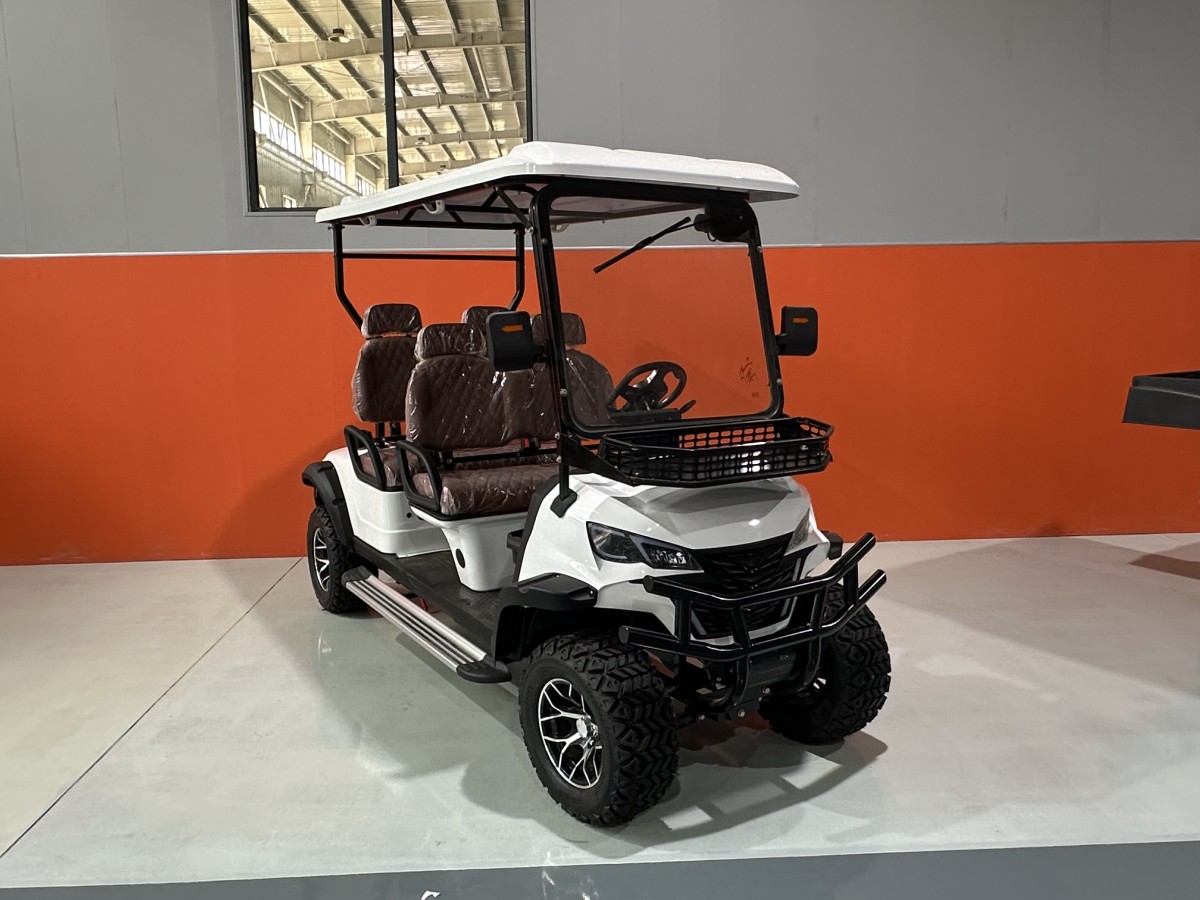
Resorts, hospitality properties, and destination venues
Resorts are among the clearest extensions of the golf-cart market because they already operate on low-speed internal roads and place a premium on quiet guest transport. Beach resorts, large hotel compounds, safari lodges, theme parks, holiday villages, exhibition grounds, and destination retail properties may require frequent movement of guests, baggage, housekeeping teams, food service staff, and maintenance personnel.
The opportunity is wider than passenger shuttles. A property may need enclosed utility vehicles for linen movement, flatbeds for landscape crews, rear-facing seats for guest transfers, or compact units capable of operating in pedestrian-heavy areas. One fleet can therefore contain several configurations based on the same chassis family.
However, hospitality demand can be misread if it is treated as a simple premium passenger-cart sale. Operators often place more weight on appearance, ride quality, corrosion resistance, upholstery durability, rain protection, and downtime during peak occupancy than on headline range. Coastal properties may require particular attention to corrosion control. Properties with steep gradients need confirmation of loaded hill-climbing performance rather than an assumption based on unloaded demonstrations.
Seasonality also affects fleet decisions. A vehicle used intensively during a short high season needs dependable charging routines, local parts availability, and fast repair capability. A distributor with access to spare controllers, chargers, brake components, tires, body panels, and battery support may be better positioned than one offering only the initial vehicle shipment.
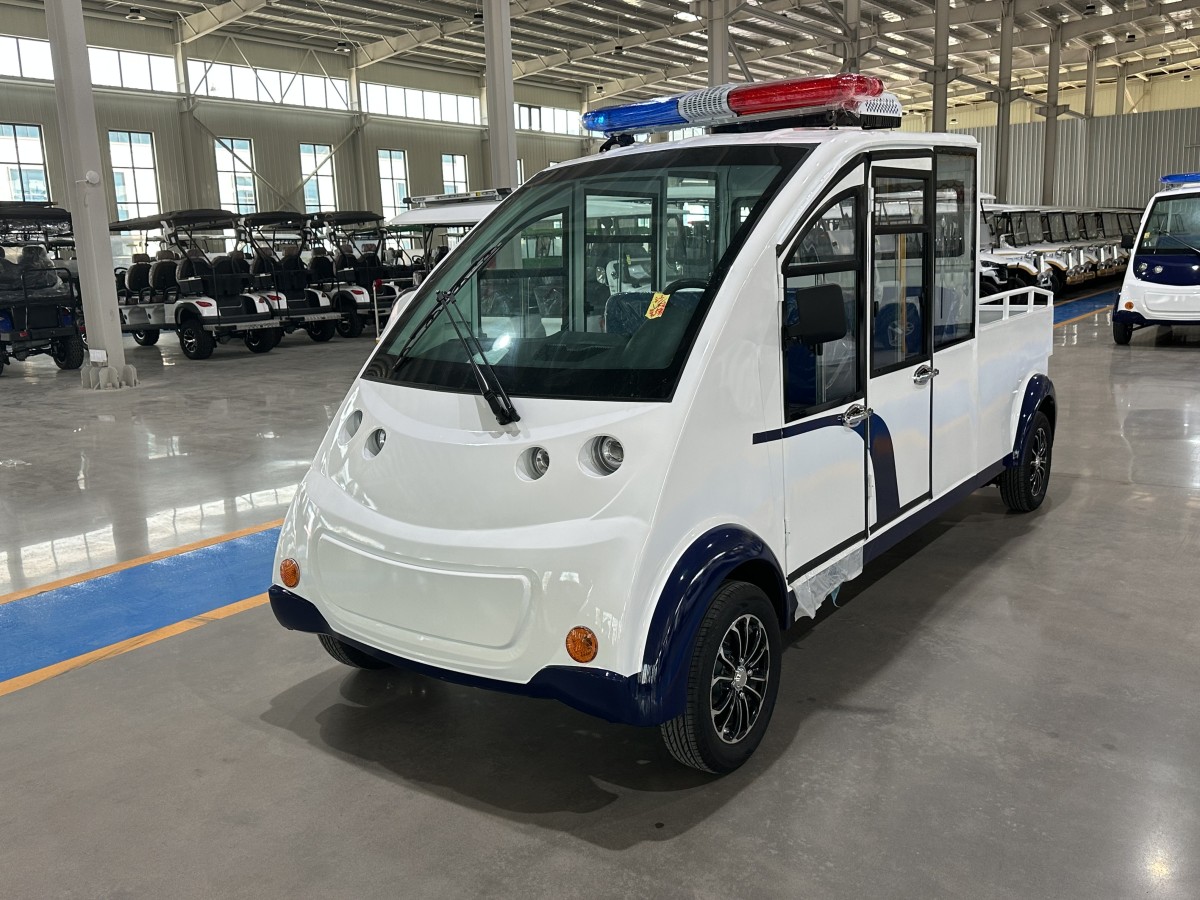
Residential communities and master-planned developments
Residential communities are another major source of non-golf demand, especially where internal roads, amenities, gatehouses, retail areas, clubs, schools, or waterfront facilities are separated by short distances. The relevant use cases include community shuttle services, security patrols, maintenance operations, property management, parcel movement, and mobility assistance for residents.
This market should not be approached as one uniform category. A gated residential community on private roads has a very different operating environment from a mixed-use development whose vehicles must cross public streets. The latter may trigger local rules on vehicle classification, registration, insurance, lighting, mirrors, occupant restraints, speed capability, and permitted road access. In some jurisdictions, a vehicle commonly described as a golf cart is not automatically legal outside private property, even if its speed is low.
For this reason, route mapping should precede vehicle selection. The questions are operational: Will the vehicle stay behind the gate? Does it need to cross an intersection? Will it share space with pedestrians and cyclists? Is night operation required? Are there ramps, speed humps, or underground parking areas? The answers determine whether a basic fleet vehicle is suitable or whether a road-oriented low-speed configuration is necessary.
Residential demand also favors durable, standardized fleet specification. Property managers do not benefit from several incompatible battery systems, charger connectors, or controller platforms. A smaller number of standardized models can simplify training, stocking, and replacement planning.
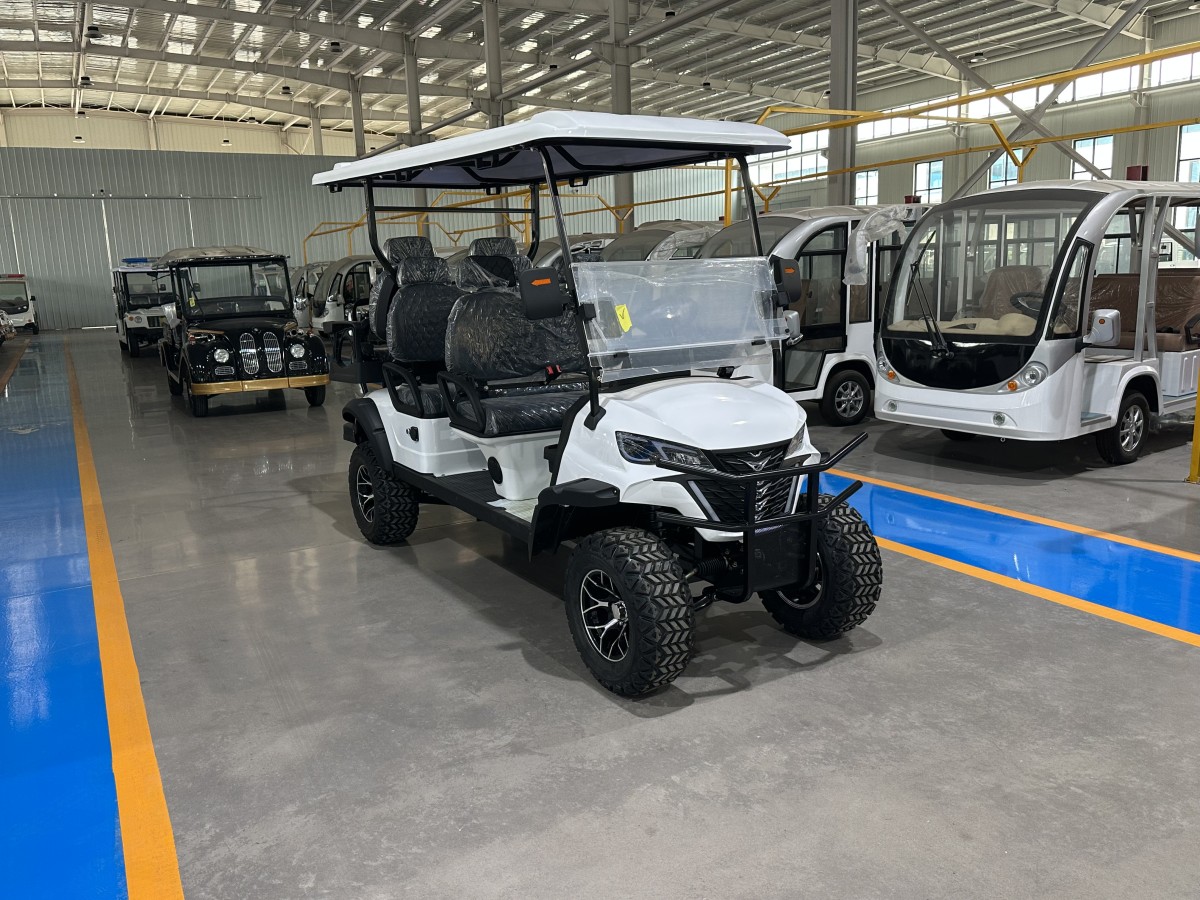
Campuses, healthcare sites, and institutional estates
Universities, schools, hospitals, research parks, government compounds, retirement communities, and large cultural sites create demand because they combine dispersed buildings with a strong need to keep internal traffic calm and accessible. These settings often use low-speed electric vehicles for facilities teams, security, grounds maintenance, patient or visitor transfers, waste collection, and internal logistics.
Healthcare and care-related environments require especially careful specification. Passenger access, step height, secure handholds, smooth braking, visibility, weather protection, and cleaning requirements can be more important than vehicle styling. A vehicle transporting people with limited mobility is not simply a multi-seat cart; its safety and access features must match the operator’s duty of care and local site procedures.
Institutional fleets can also involve complex procurement requirements. Public or quasi-public entities may assess supplier capability beyond vehicle price: warranty terms, maintenance coverage, operator training, delivery documentation, battery recycling arrangements, and the availability of replacement parts over a defined service period. A low acquisition price can lose its appeal if the fleet remains unusable while a specialized component is sourced.
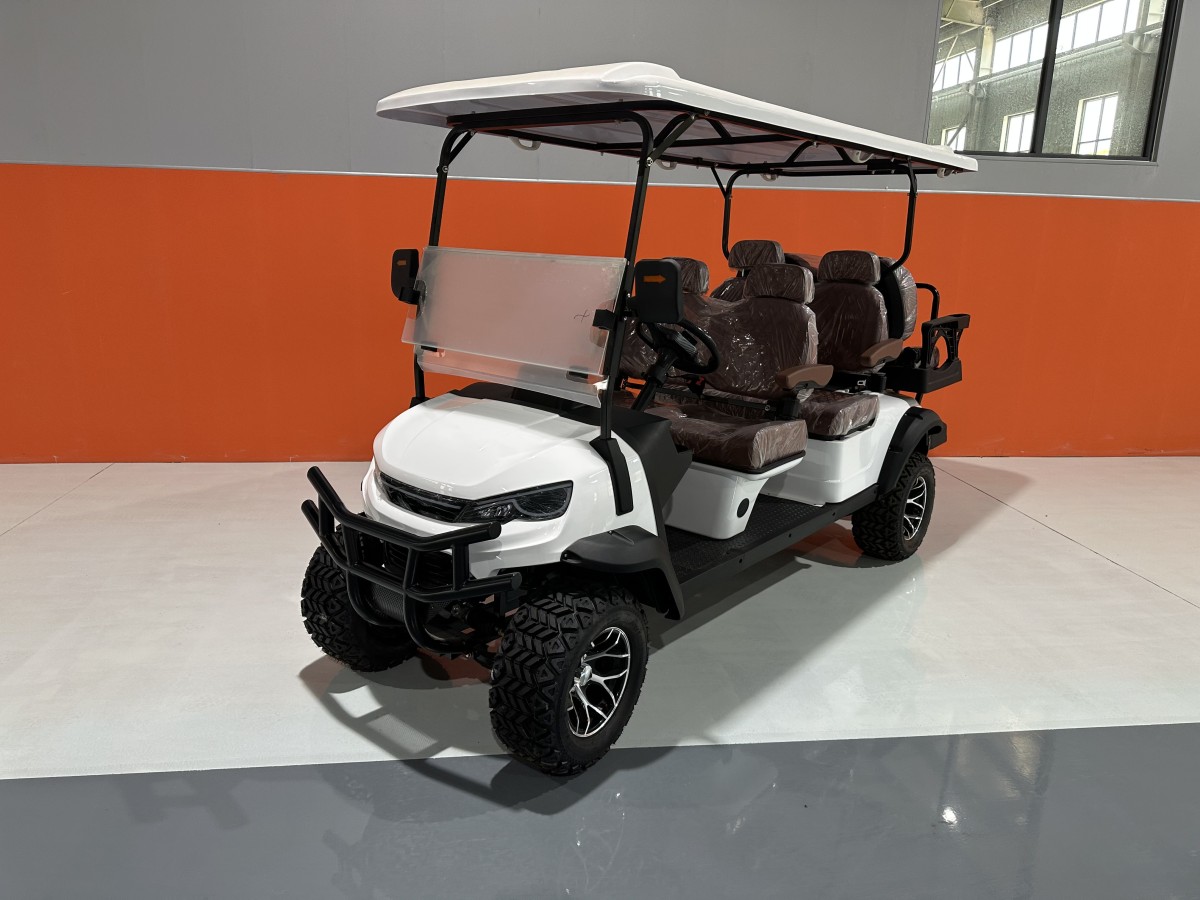
Industrial parks, warehouses, and large commercial sites
Industrial applications are often less visible than passenger transport, but they can produce stable demand for utility-oriented low speed electric vehicles. Manufacturing sites, logistics parks, ports, airports, warehouses, solar farms, data-center campuses, and large construction support areas all involve internal movement that may not require a road vehicle.
The commercial logic here is task-specific. A maintenance team may need a compact vehicle carrying tools and spare parts. A warehouse supervisor may need quick movement between loading bays. A security team may require a unit with warning lights, radios, and lockable storage. Grounds crews may need a tipping cargo bed. Internal delivery staff may need enclosed cargo protection rather than additional seats.
These uses expose a common market error: treating payload as an optional specification. In utility work, payload, cargo-bed dimensions, towing limits, axle loading, braking under load, suspension durability, and turning radius can determine whether the vehicle is usable. A passenger chassis with an added cargo box may not deliver the stability or load capacity required for daily industrial work.
Charging conditions are equally important. An industrial customer may have available electrical supply but no secure, ventilated, well-managed charging area near the operating zone. The distance between charging points and work areas can reduce effective utilization. Battery chemistry should be considered alongside the duty cycle: lead-acid systems may remain acceptable in certain controlled, lower-intensity uses, while lithium-ion systems can offer operational advantages where opportunity charging, lower maintenance, weight reduction, or longer daily use are relevant. The decision should be based on charging discipline, temperature conditions, utilization, and service capability—not on a blanket assumption that one chemistry fits every fleet.
Airports, ports, and controlled transport environments
Airports, ports, rail depots, and similar controlled environments can require low-speed electric transport for staff movement, inspection, baggage support, facilities work, and service operations. These sites are attractive because routes are often predictable and centrally managed. They are also demanding because safety rules, access control, vehicle markings, radio integration, lighting, and maintenance documentation may be stricter than in hospitality or residential settings.
Vehicle demand in these locations is often driven by operational compatibility rather than by the desire to electrify a fleet in general. The platform may need flashing beacons, strobe lighting, reverse alarms, fleet numbering, access-control identification, specific tire types, cargo restraints, or non-marking tires for indoor facilities. It may also need to operate reliably in heavy rain, dust, high heat, cold storage areas, or long shifts.
For channel partners, these environments reward disciplined qualification. A vehicle that is mechanically capable of the task can still fail a tender or site approval process if the supplier cannot provide relevant conformity documents, serial-number traceability, technical manuals, parts lists, or maintenance support.
Last-mile and neighborhood delivery: a selective, not universal, market
Last-mile delivery is frequently presented as a natural destination for low-speed electric vehicles, but the fit is narrower than it appears. The strongest use cases are enclosed districts, pedestrianized commercial zones, large private developments, resorts, campuses, industrial estates, and local delivery routes where speed limits are low and delivery density is high.
Open-road parcel delivery is more complicated. It depends on road access rules, weather exposure, cargo security, traffic conditions, driver licensing, insurance, parking rules, and route range. A small electric utility vehicle may be efficient for repeated short drops within a defined zone, yet unsuitable for a dispersed route involving high-speed traffic or long distances between stops.
Where this segment does fit, cargo design becomes central. Lockable compartments, shelving, rear access, rain protection, load anchoring, and ergonomic entry can have more commercial value than passenger capacity. The vehicle’s daily productivity depends on loading and unloading time as much as on battery range.
What is changing in the product mix
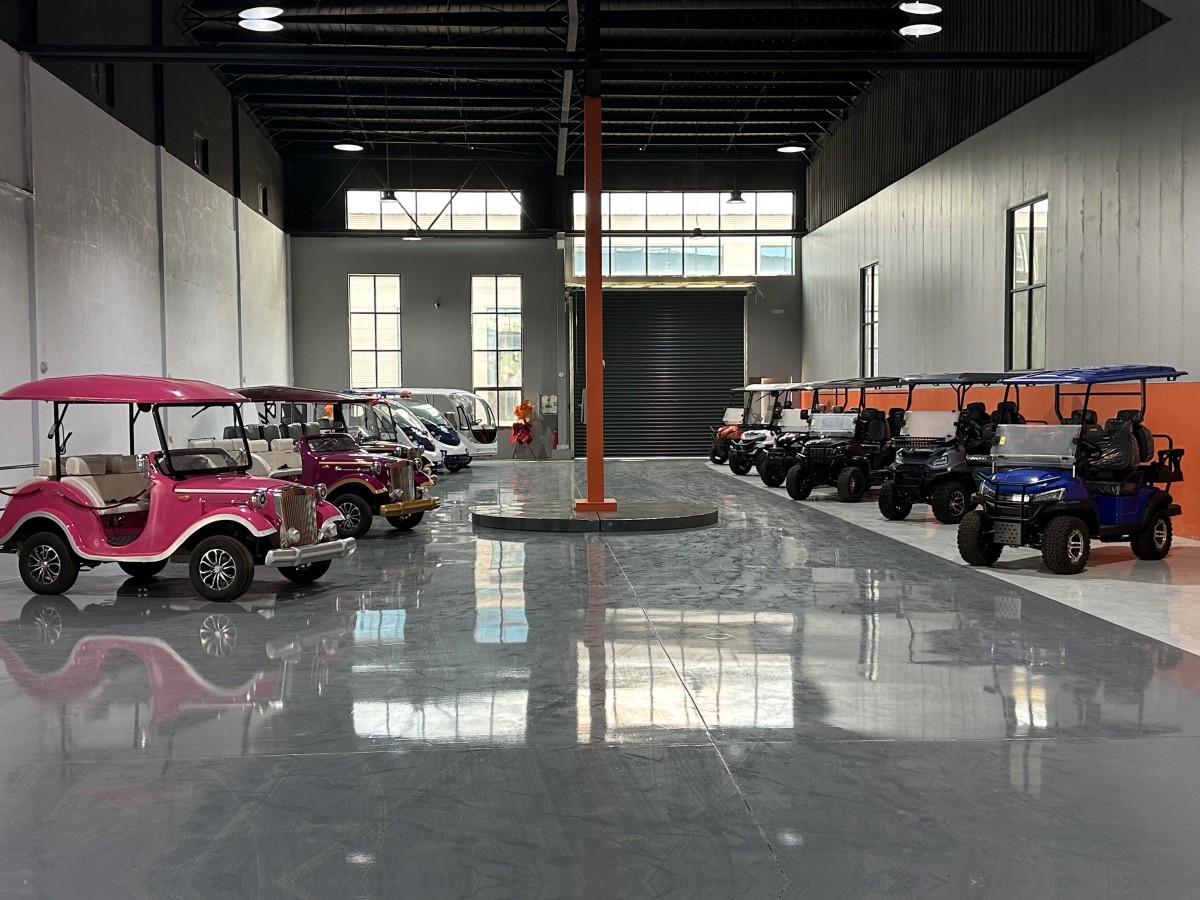
The movement beyond golf is pushing demand toward more specialized configurations. Passenger shuttles remain relevant, but fleet buyers increasingly evaluate utility bodies, enclosed cabins, lifted chassis options, street-oriented equipment packages, rear-seat conversion systems, cargo beds, and purpose-built accessibility features.
This does not mean every market needs maximum specification. Over-specification can create unnecessary cost, complicate repairs, and make a fleet harder to support. The more useful approach is to build a product range around distinct operating environments:
- private-property people movers for resorts, campuses, and residential sites;
- utility vehicles for maintenance, security, facilities, and cargo movement;
- weather-protected or enclosed units for year-round operation;
- road-capable low-speed models only where the required approvals and route conditions are clear;
- application-specific bodies for luggage, tools, waste, deliveries, or accessibility support.
A broad catalogue is not automatically an advantage. A coherent range with shared parts, consistent charger systems, and clear application boundaries can be easier to sell, service, and stock.
Local regulation determines where demand can convert into orders
The distinction between private-site use and public-road use remains one of the most important filters in this market. Vehicle definitions, maximum permitted speeds, equipment requirements, registration obligations, and road-access rules differ substantially by country, state, province, municipality, and even by specific site authority.
Terms such as “low-speed vehicle,” “neighborhood electric vehicle,” “golf cart,” and “electric utility vehicle” are not interchangeable legal categories. A vehicle may be permitted inside a resort or industrial park but prohibited on a public road connecting two parts of the property. Conversely, a road-legal version may require equipment and documentation that a private-site model does not carry.
Demand mapping should therefore start with use geography rather than broad national assumptions. A promising local market is one where operating routes, customer needs, infrastructure, and legal conditions align. A large number of potential users means little if the intended routes cannot legally or safely support the vehicle type.
The channel opportunity lies in application knowledge, not merely vehicle availability
Low speed electric vehicle demand beyond golf is expanding into environments where the purchase decision is tied to site operations. The strongest opportunities are likely to emerge where short-distance movement is frequent, vehicle routes are controlled, charging can be managed, and the vehicle can be configured around a defined task.
That favors suppliers able to translate a customer’s site conditions into a workable fleet specification. The critical questions are practical: what must be carried, who will drive, where will charging occur, what happens in bad weather, how quickly can parts be supplied, and whether any portion of the route falls under public-road rules.
Golf remains an important reference point for the industry, but it is no longer the only lens for evaluating demand. Resorts, residential developments, institutional estates, industrial sites, controlled transport facilities, and defined delivery zones each create a different market for electric low-speed mobility. The commercial potential is real only when vehicle configuration, service capacity, regulation, and daily operating conditions are treated as one decision rather than separate considerations.
Related Posts
Online Message
Get in Touch
*We respect your confidentiality and all information are protected.