
Can Hotels Add Their Brand Identity to Sightseeing Golf Carts?
Can Hotels Add Their Brand Identity to Sightseeing Golf Carts?
Yes—and when it is planned properly, a sightseeing golf cart can feel less like a utility vehicle and more like part of the property itself. Guests may first encounter it at a gatehouse, outside a lobby, near a beach path, or beside a villa cluster. That makes the cart a surprisingly visible touchpoint. A generic vehicle can do the job, but a well-specified cart can quietly reinforce the hotel’s character before a guest has even checked in.
The practical question is not simply whether a hotel can add a logo to a cart. It is how far the customization should go without making the vehicle harder to maintain, less safe, or visually dated after one season. For a boutique resort, the right answer may be a restrained palette and upholstered seating. For a large family resort or scenic attraction, clear route signage, weather protection, and durable interior materials may matter more than decorative details.
So, can a sightseeing golf cart be customized for a hotel? Absolutely. The best projects treat branding, guest comfort, daily operations, and local vehicle requirements as one decision rather than four separate ones.
A Hotel Cart Is Part Transport, Part Guest Experience
Sightseeing golf carts are commonly used where guests need short-distance transport but walking is inconvenient: expansive resort grounds, hillside properties, waterfront hotels, wedding venues, villa developments, heritage estates, theme hotels, and large convention properties. Their role can change throughout the day. In the morning, they may shuttle guests and luggage. In the afternoon, they may support guided tours or move families to pools and restaurants. At night, they may become an essential mobility option on dimly lit internal roads.
That variety is why a hotel should avoid selecting a cart solely from a brochure image. A vehicle that looks elegant in a showroom may be impractical if it has no protected luggage area, insufficient rain coverage, or seating materials that become uncomfortable in heat. Conversely, a heavily equipped shuttle cart may look out of place at a design-led property where a calm, premium arrival experience is the priority.
Branding works best when it supports the actual guest journey. A coastal hotel might use soft exterior tones, corrosion-conscious hardware choices, and easy-to-clean seat surfaces. A forest lodge may prefer muted colors rather than glossy bodywork that clashes with the landscape. A city hotel operating within a compact private complex may need a polished, quiet cart with subtle identification rather than oversized graphics.
What Can Be Customized Without Turning the Cart Into a Billboard?
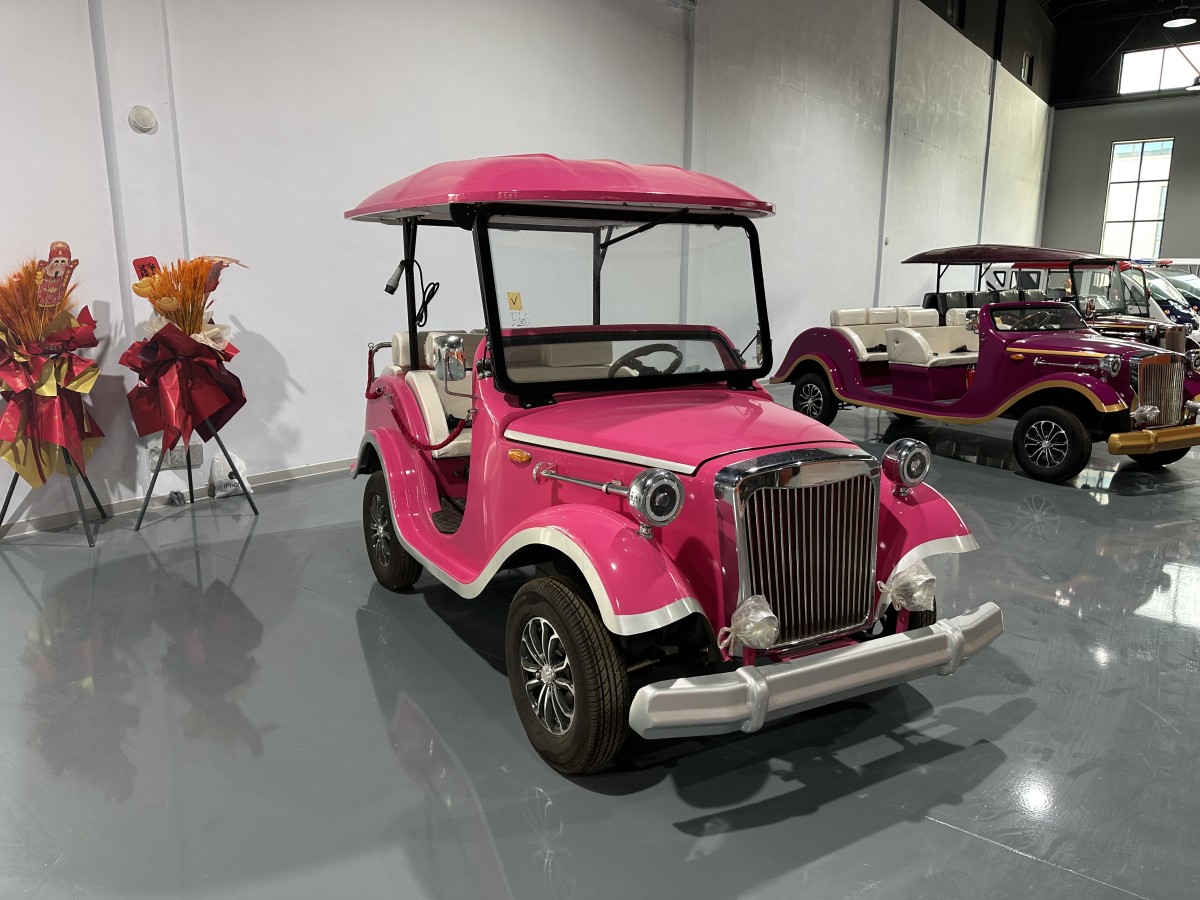
Most hotel-ready electric golf carts can be customized at several levels. The simplest is exterior identity: body color, logo placement, front-panel badges, roof graphics, or branded side panels. This is often enough for properties that want a consistent fleet appearance without overcommitting to a highly specific design.
More considered customization usually includes the passenger area. Seat upholstery can be selected to align with lobby furniture, outdoor textiles, or the hotel’s visual palette. Piping, stitched logos, armrest finishes, and floor materials can add character, but these details should be judged against cleaning routines. White or pale upholstery can look excellent at handover and become a constant housekeeping problem in rainy, sandy, or high-turnover environments.
Functional additions often make a stronger impression than decorative ones. Depending on the operating environment, hotels may consider:
- Rear-facing seats for group transfers or site tours;
- Luggage shelves, rear cargo boxes, or dedicated suitcase space;
- Full or partial weather enclosures for rain, wind, or strong sun;
- Clear route maps, property-zone labels, and seat-row numbering;
- USB charging points where the electrical design and intended use support them;
- Interior lighting for evening operation;
- Step aids, grab handles, and accessible boarding arrangements;
- Custom canopies, curtains, or trim details for weddings and VIP transfers.
Not every feature belongs on every cart. USB ports sound attractive, for example, but they add little value on a two-minute lobby-to-room ride. A luggage rack, by contrast, can eliminate awkward bags on passenger laps and reduce the time staff spend rearranging each transfer. The useful rule is simple: customize for the moments that repeatedly create friction.
The Difference Between Branded and Thoughtfully Designed
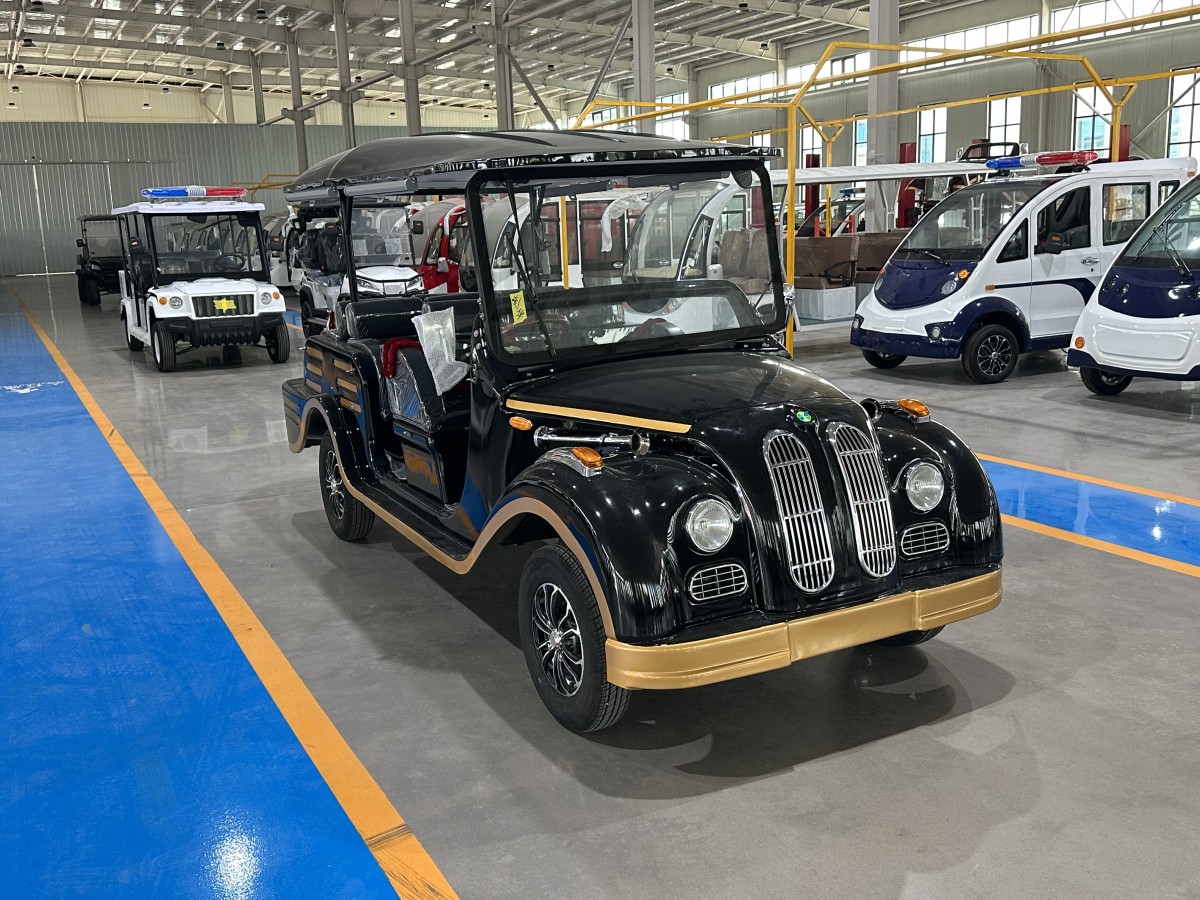
A large logo across both side panels is visible, but visibility is not always the same as brand quality. Luxury properties often benefit from smaller, well-positioned marks paired with carefully selected colors and materials. In this setting, a logo embossed into a seat back or displayed on a discreet front badge can look more intentional than a full vinyl wrap.
For family resorts, water parks, or entertainment destinations, the calculation may be different. High-contrast colors and clear graphic identifiers can help guests recognize the correct shuttle quickly, especially where several routes operate. A cart marked “Beach,” “Villas,” or “Kids’ Club” can reduce confusion when guests are carrying towels, pushing strollers, or arriving after dark.
There is also a maintenance reality behind every visual choice. Complex wraps can be difficult to repair after scratches. Metallic finishes may be harder to match during bodywork. Decorative trim can trap dirt. If carts run near saltwater, pool areas, muddy paths, or construction zones, the visual specification should be discussed with the people who will wash and service the fleet—not only with the marketing team.
Start With Routes, Loads, and Weather Before Choosing Seats and Colors
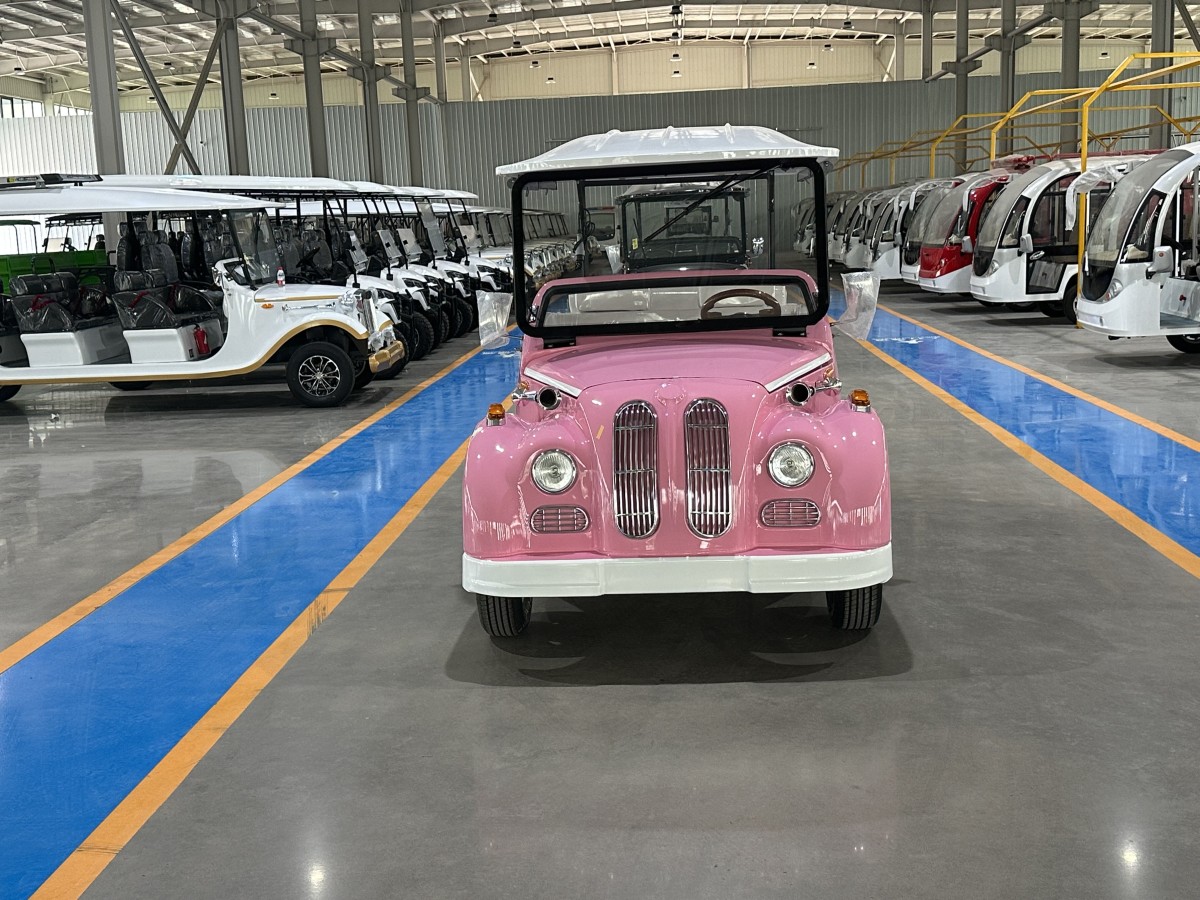
Hotels sometimes begin the process by asking whether they need a four-seat, six-seat, or eight-seat sightseeing cart. That is necessary, but not sufficient. The better starting point is the route. Is the vehicle traveling on smooth paved paths, steep internal roads, uneven landscaped trails, or mixed surfaces? Does it carry guests with luggage? Will it operate during rainfall? Is it mostly a daytime amenity, or does the night team rely on it?
Passenger capacity should also be treated carefully. More seats do not automatically mean better throughput. A longer cart may be less maneuverable near entrance canopies, narrow villa lanes, service corridors, or tight turning points. If a hotel needs frequent small-group transfers, two smaller carts may sometimes be operationally easier than one large unit. The right arrangement depends on peak movement patterns, driver availability, route width, and where vehicles can wait without blocking guest areas.
Battery and charging planning deserves the same early attention. Electric carts are valued partly because they are quiet and avoid exhaust at guest-facing areas, but they still need a disciplined
charging routine. The hotel should identify where charging will happen, who is responsible for it, whether the area is sheltered and secure, and whether the electrical installation is appropriate for the equipment supplied. Actual range is affected by passenger load, terrain, temperature, driving behavior, accessory use, and battery condition. It should be discussed using the supplier’s documented configuration, not an optimistic assumption.
Safety and Compliance Cannot Be Added at the End
A branded sightseeing cart may operate only within private grounds, but that does not remove the need for safety planning. Requirements for low-speed vehicles, drivers, lighting, passenger restraints, insurance, registration, and road access vary by country and sometimes by local authority. If a cart will cross a public road, travel on public-facing routes, or transport guests beyond the hotel boundary, the compliance questions become more significant.
Before placing an order, the property should confirm the intended use with local professionals or relevant authorities where necessary. The discussion should cover permitted operating areas, route gradients, lighting needs, occupancy rules, driver training, emergency procedures, and whether particular equipment is required. A hotel should not assume that a cart suitable for internal resort transport is automatically approved for public-road use.
Good specification also protects the guest experience. Side-entry arrangements, step height, handholds, roof coverage, rear visibility, and luggage placement all affect whether boarding feels secure. For elderly guests, young children, or visitors with limited mobility, a small detail such as a poorly positioned step can matter more than the exterior paint color.
Questions Worth Asking a Golf Cart Supplier
A capable supplier should be able to discuss customization beyond artwork. Ask what components can be factory-integrated and what will be added afterward. Factory-installed options may provide a cleaner finish, while some local accessories can be useful for flexibility or faster replacement. Neither approach is automatically better; the issue is whether the finished cart remains serviceable.
It is also sensible to ask for a visual mock-up before production, especially when using custom colors, full graphics, or bespoke seating. Review it from the guest’s perspective and from the operator’s perspective. Can drivers still see clearly? Are route labels legible? Will the logo remain visible when doors, weather curtains, or luggage are in place? Does the color hide everyday dust and scuffs reasonably well?
Other practical questions include spare-parts availability, turnaround time for common repairs, warranty scope, charging equipment, maintenance guidance, and whether replacement upholstery or body panels can be matched later. Hotels often keep vehicles longer than their initial design campaign, so a cart should still look respectable after routine wear rather than depend on fragile cosmetic details.
Avoid the “VIP Cart” Trap
Many properties are tempted to create one highly customized VIP cart and leave the rest of the fleet standard. That can work for a defined purpose, such as bridal parties, executive transfers, or private villa arrivals. However, it can also create an uneven guest experience if the ordinary carts look neglected by comparison.
Often, a better approach is to establish a clear fleet standard: one color family, consistent logos, durable seating, matching driver uniforms or route signage, and a shared maintenance standard. A premium cart can then be added as a special-use vehicle without making the rest of the operation feel secondary.
The most successful hotel golf cart customization is rarely the loudest. It is the one that fits the property, carries guests comfortably, survives daily use, and remains easy for staff to operate. If the cart looks like it belongs at the hotel while solving real transport problems, the branding has done its job.
Related Posts
Online Message
Get in Touch
*We respect your confidentiality and all information are protected.