
Can a Custom Electric Golf Cart Be Used on Public Roads?
A custom electric golf cart can sometimes be used on public roads, but customization alone does not make it road legal. The deciding factors are the rules where you live, the road’s speed limit and classification, and whether the cart meets the required safety, registration, insurance, and driver requirements.
That distinction matters because a golf cart built for a course or private community is not automatically treated the same way as a low-speed vehicle or neighborhood electric vehicle. Adding larger wheels, upgraded seats, a lift kit, or a faster controller may improve appearance or performance, but it can also make the vehicle harder to classify and, in some cases, less likely to qualify for permitted road use.
Start with the vehicle category, not the accessories
The first question is not “What upgrades does my cart have?” It is “How is this vehicle legally classified where it will be driven?” Local authorities may distinguish among conventional golf carts, low-speed vehicles, neighborhood electric vehicles, utility vehicles, and other small electric vehicles. Each category can have different limits on speed, permitted roads, equipment, registration, and licensing.
A standard golf cart is generally designed for low-speed use on private property, golf courses, resorts, campuses, or designated community paths. A road-oriented electric cart is usually expected to meet a more complete set of safety requirements and may need formal documentation identifying it as an eligible road-use vehicle.
This is why two custom electric golf carts that look nearly identical can be treated differently. One may have been manufactured and documented for road use from the beginning. The other may be a conventional cart with aftermarket upgrades. The lights and windshield may be similar, but its legal status, identification paperwork, and permitted use may not be.
Public-road access is usually limited, not universal
Even when a custom electric golf cart is allowed on public roads, it is rarely allowed on every public road. Access is commonly tied to lower-speed streets, local neighborhoods, planned communities, resort areas, or routes specifically approved for golf carts or low-speed vehicles.
Roads with faster traffic create a major mismatch in braking distance, visibility, traffic flow, and impact protection. A small open vehicle can be difficult for drivers of larger vehicles to see, particularly at intersections, in rain, at dusk, or when parked cars obstruct the view. For that reason, a cart that is acceptable for a short trip through a residential area may not be suitable for a busy collector road, rural highway, or multilane commercial corridor.
Do not assume that a low posted speed limit settles the issue. A road may still prohibit golf carts because of traffic volume, road design, limited shoulders, poor sightlines, or local restrictions. Conversely, some communities create marked crossings, cart routes, and local operating rules that make limited road use practical.
Equipment commonly expected for road use
Requirements vary by jurisdiction, but road-use carts commonly need a package of equipment that allows them to be seen, controlled, and operated predictably around regular traffic. A custom cart should be evaluated as a whole system, not as a collection of cosmetic upgrades.
- Headlights and tail lights: Useful for visibility in low light and often required when road operation is permitted.
- Brake lights: Following traffic needs a clear signal that the vehicle is slowing or stopping.
- Turn signals: Hand signals are difficult to notice from a low vehicle, especially in mixed traffic.
- Mirrors: Rear and side visibility are important when sharing a lane, making turns, or pulling away from the curb.
- Windshield: A windshield may be required or expected, but the material and installation can matter. A lightly tinted decorative screen is not always equivalent to a road-use windshield.
- Horn: This is a basic warning device, not a substitute for safe driving.
- Reflectors and license plate mounting: These help make the cart visible and identifiable when required.
- Seat belts: Their relevance depends on the vehicle category, seating configuration, and local rules. If belts are fitted, they must be installed to work with the seat structure rather than simply bolted onto an unsuitable frame.
- Approved tires and brakes: Oversized off-road tires may look appropriate on a lifted cart but can affect steering effort, braking behavior, turning radius, and road compliance.
It is common to see a cart advertised as “street ready” because it has lights, mirrors, and a horn. That phrase is not a legal classification. It may describe an equipment package, but it does not prove that the cart can be registered or driven legally on the roads you intend to use.
Modifications can help, but they can also create new problems
Some modifications support safer road operation. Proper lighting, turn signals, mirrors, a horn, a speedometer, and a durable windshield can make a cart more functional in a neighborhood environment. A weather enclosure may also improve comfort, though it should not block visibility or interfere with entry and exit.
Other modifications deserve more caution. Lift kits raise the center of gravity and can change handling on turns, slopes, and uneven pavement. Larger tires can alter effective gearing and speedometer accuracy. High-output motors or controllers may push the cart beyond the operating range allowed for its category. Heavy sound systems, multiple batteries, custom rear seating, and cargo accessories can overload suspension components or reduce braking margin.
Speed is particularly important. Owners sometimes assume that making a cart faster makes it more capable of keeping up with traffic. In practice, it may move the vehicle into a different legal category without giving it the structure, crash protection, braking capacity, or stability expected of a higher-speed road vehicle. A cart should not be modified for road use around an assumed target speed; it should be built and equipped for the category it is permitted to operate in.
Registration, insurance, and the driver are part of the answer
Road use involves more than the cart itself. Depending on the location and vehicle classification, the owner may need a title or manufacturer documentation, a vehicle identification number, registration, a license plate, liability insurance, and an inspection. The driver may need a valid license, and passenger rules may apply.
These requirements are easy to overlook when buying a used or heavily customized cart. A cart can be mechanically sound yet difficult to register if its documentation is incomplete, its vehicle identification information is missing, or the modifications do not match the category under which it was originally approved.
Insurance also deserves attention before the first road trip. Coverage for golf-course or private-property use may not extend to public-road operation. The issue is not only damage to the cart. A collision involving passengers, pedestrians, or other vehicles can create liability well beyond the value of the cart itself.
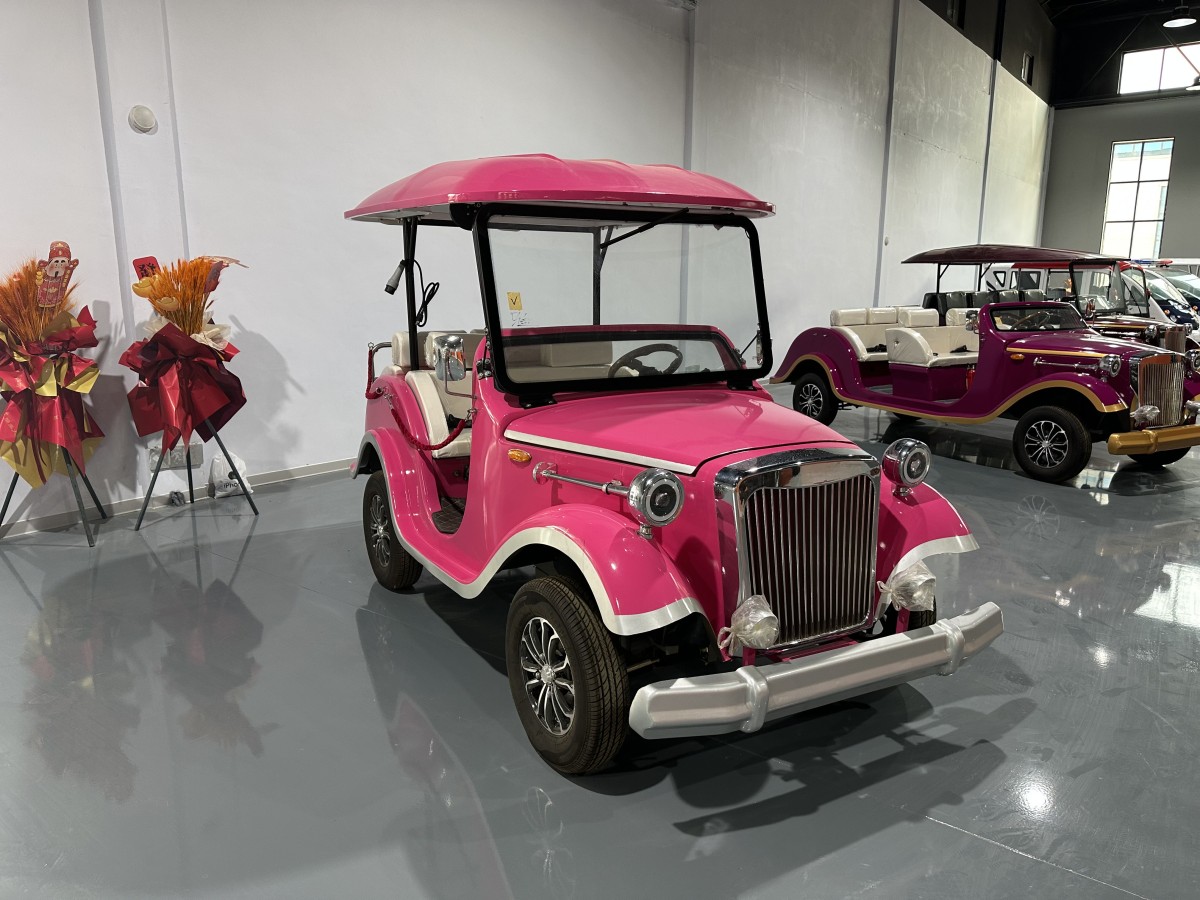
A practical way to assess a custom cart before buying or converting it
When road use is the goal, work from the intended route backward. This avoids spending money on upgrades that do not solve the legal or safety issue.
- Define the actual trip. Consider where the cart will travel: private community streets, a resort, a short neighborhood route, a crossing to a clubhouse, or regular errands. Include intersections, hills, nighttime use, rain, and traffic volume.
- Identify the permitted vehicle class. Determine whether the area permits golf carts, low-speed vehicles, or only specifically registered road-use electric vehicles.
- Check the route restrictions. Review the roads themselves, not just the town or community. A permitted cart may still be restricted from certain streets.
- Match equipment to the required category. Confirm lighting, mirrors, windshield, signals, braking, tires, reflectors, and any required occupant restraints before treating the cart as road capable.
- Confirm paperwork before purchasing. For used carts, inspect available ownership documents, identification labels, and any existing registration history. Do this before investing in a conversion.
Assess the modification package realistically. A lifted, high-speed, off-road-style build may be excellent for private land but poorly suited to a quiet residential route.
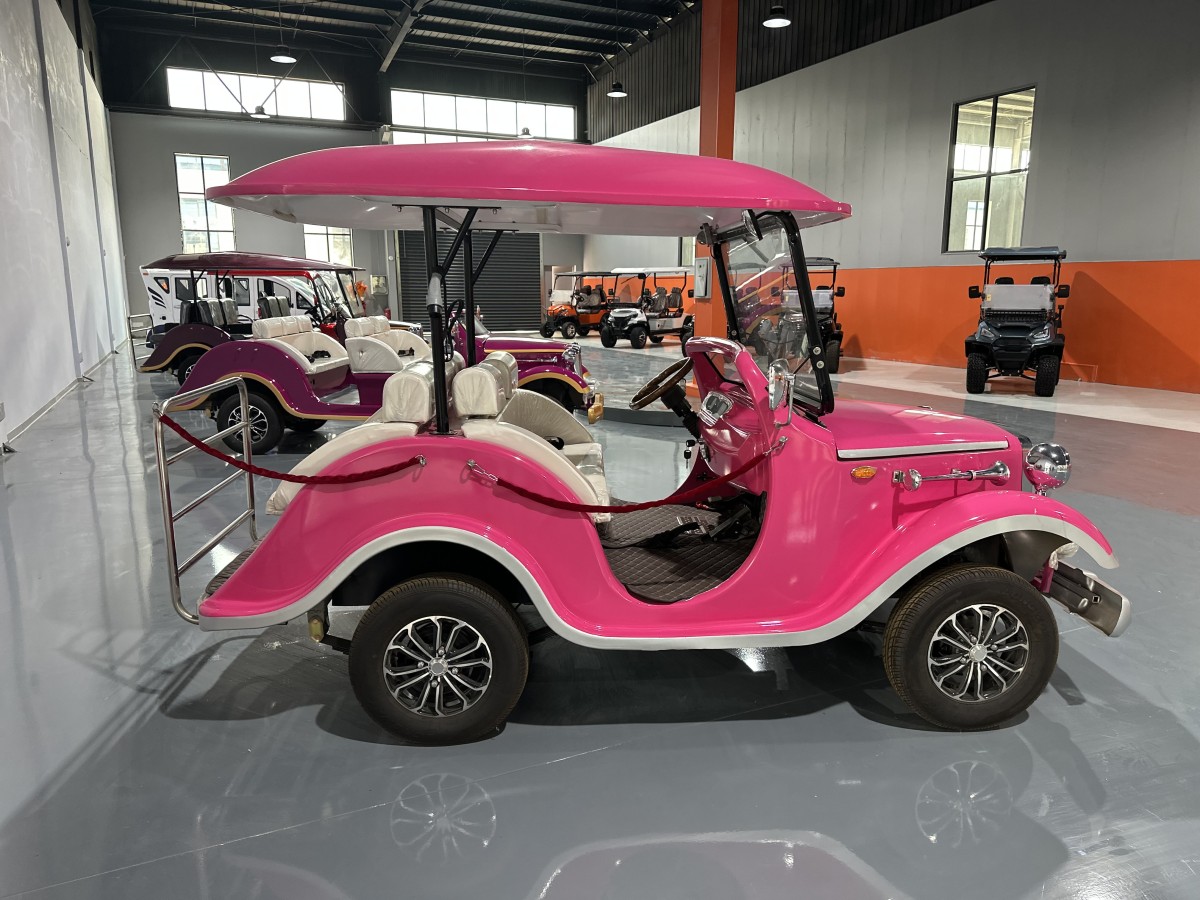
When a custom electric golf cart makes sense on the road
A compliant cart can be a practical option for short, low-speed trips in communities designed around local electric transport. Typical examples include planned neighborhoods with approved cart routes, large resorts, retirement communities, waterfront areas, private campuses, and mixed-use developments where parking is limited and destinations are close together.
In these settings, the value is convenience rather than highway capability. The cart can carry people, small personal items, or light utility loads without starting a full-size vehicle for every short trip. It works best when the route is predictable, speed differences with other traffic are modest, and drivers understand that the cart remains a lightweight vehicle with limited protection.
It is a poor fit for long-distance commuting, high-speed corridors, frequent travel after dark without appropriate equipment, heavily congested roads, or routes requiring abrupt lane changes. In those conditions, a conventional road vehicle is usually the more sensible choice, even if the cart could technically enter part of the route.
Common assumptions that lead to trouble
“It has a windshield and lights, so it is street legal.” Those features may be necessary, but they are not always sufficient. Classification, documentation, registration, and road restrictions still matter.
“Electric means it can go anywhere a bicycle can.” A golf cart is not regulated or operated like a bicycle. Its size, passenger capacity, road position, and traffic interaction create different obligations.
“A lift kit makes it safer on rough roads.” It may provide clearance, but it can also reduce stability. For paved neighborhood use, a lower, properly maintained setup is often easier to control.
“The dealer-installed package guarantees approval.” A package can improve readiness, but the legal question still depends on the particular vehicle and the place where it will be used.
Frequently Asked Questions
Can I convert my existing golf cart into a road-legal electric vehicle?
Sometimes, but conversion is not guaranteed to create a registerable road vehicle. Start by determining whether the original cart, available documentation, and local vehicle category allow conversion. Then build the required safety equipment and paperwork plan around that answer.
Do I need a driver’s license to drive a golf cart on public roads?
Road operation commonly comes with driver eligibility rules, which may include a valid driver’s license. Private-property use can be treated differently, but public-road access should not be assumed to follow the same rules.
Can children ride in a custom electric golf cart?
Passenger rules depend on local requirements and the cart’s seating design. Every passenger should have a proper seat, and children should not be carried on laps, standing platforms, rear cargo areas, or improvised seats.
Are lifted golf carts allowed on public roads?
A lift kit does not automatically prohibit road use, but it can affect compliance and handling. The completed vehicle still needs to meet the applicable equipment and operating requirements, and its stability should suit the roads it will actually travel.
Can I use a road-approved golf cart for daily transportation?
It can work for short local trips on suitable roads. It is not a replacement for a conventional vehicle when travel involves faster traffic, long distances, severe weather, substantial cargo, or routes without cart-friendly infrastructure.
Before treating a custom electric golf cart as transportation beyond private property, evaluate the route, legal category, required equipment, documentation, insurance, and driver rules together. A well-built cart can be useful in the right local environment; accessories alone do not make it ready for public roads.
Related Posts
Online Message
Get in Touch
*We respect your confidentiality and all information are protected.