
Is a 4-Seater Electric Golf Cart With Cargo Bed Right for Buyers
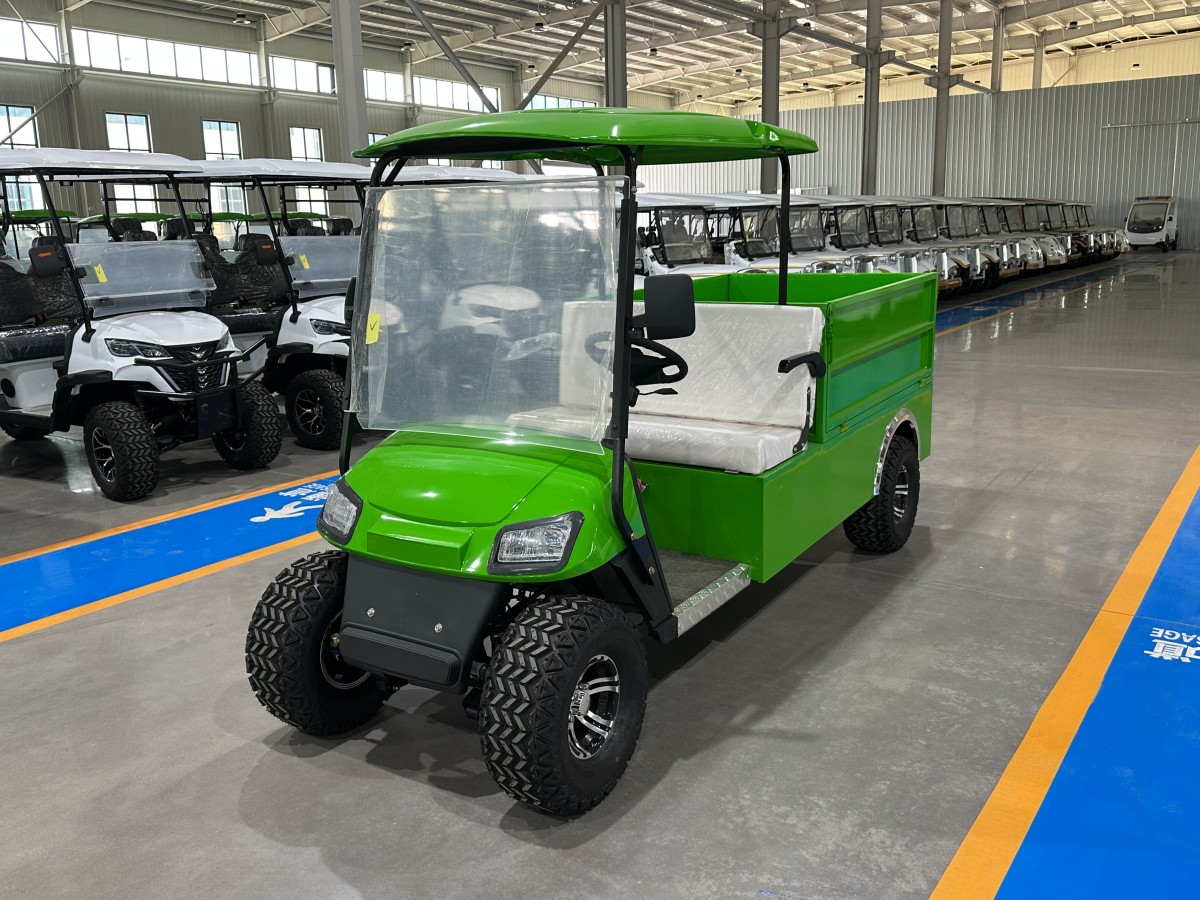
Choosing a 4 seater electric golf cart with cargo bed can be a smart move for buyers who need both passenger space and practical hauling capacity. Whether for golf courses, resorts, communities, farms, or commercial properties, this versatile vehicle offers a balance of comfort, efficiency, and utility. Before making a purchase, it is important to understand how its features, performance, and intended use match your daily transportation needs.
For most buyers, the short answer is yes, but only if daily use requires both people-moving and light-duty hauling in one vehicle. A 4 seater electric golf cart with cargo bed is most valuable when replacing two separate tasks.
That is why this type of cart appeals to property managers, resort operators, maintenance teams, and private landowners. It combines passenger seating with cargo flexibility, which helps reduce fleet complexity, improve convenience, and lower operating costs over time.
Still, it is not the right choice for every buyer. If you only carry passengers, a standard four-seat cart may be more efficient. If you haul heavy loads all day, a utility vehicle may be the better investment.
What Buyers Are Really Trying to Figure Out
People searching for a 4 seater electric golf cart with cargo bed usually are not looking for theory. They want to know whether this vehicle fits their actual work, property layout, usage frequency, and budget.
The main search intent is practical evaluation. Buyers are comparing use cases, benefits, limitations, and ownership factors before deciding whether this model offers better value than a regular golf cart or a larger utility vehicle.
In most cases, the core concern is efficiency. They want one vehicle that can move staff, guests, tools, supplies, or personal items without sacrificing comfort or creating unnecessary operating expense.
Who Benefits Most From This Type of Golf Cart
A 4 seater electric golf cart with cargo bed works best for buyers with mixed transportation needs. That includes environments where people and equipment often need to travel together across short to medium distances.
Golf courses are an obvious example. Staff may need to transport two or more workers while carrying maintenance tools, seed, beverages, signage, or cleaning supplies between holes, buildings, and service areas.
Resorts and residential communities also benefit. Teams can move guests, luggage, housekeeping materials, or repair equipment without switching vehicles. That improves response time and creates a smoother day-to-day workflow.
On farms, campuses, warehouses, and commercial properties, the same logic applies. If the load is moderate and routes are predictable, this cart can serve as a practical bridge between leisure transport and light utility support.
When It Is the Right Purchase and When It Is Not
The right purchase decision depends less on the label and more on how the cart will be used. Buyers should start by listing the most common daily tasks rather than focusing only on appearance or seating capacity.
If you regularly carry three or four people and still need room for tools, bags, parcels, or maintenance materials, this design makes sense. It solves a real operational problem without adding the size of a full utility vehicle.
It may not be the best fit if passenger use is occasional and cargo needs are minimal. In that case, the cargo bed becomes underused, while a simpler model may cost less and offer slightly better range.
It is also the wrong match if your cargo is consistently heavy, oversized, or used on steep terrain. Buyers in those conditions should look closely at payload ratings and compare them with purpose-built electric utility carts.
How the Cargo Bed Changes the Buying Decision
The cargo bed is the feature that makes this category different, but buyers should evaluate it carefully. Not every cargo bed is equally useful, and not every bed size supports the same type of work.
Some beds are ideal for coolers, small tools, bags, cleaning supplies, and boxed items. Others are better suited for landscaping equipment, maintenance materials, or commercial deliveries on private property.
What matters most is usable capacity, not marketing language. Buyers should look at bed dimensions, payload rating, wall height, ease of loading, and whether the rear section interferes with access or maneuverability.
A good cargo bed adds flexibility without making the cart feel awkward or top-heavy. If the bed is too small, it becomes decorative. If it is too large for the platform, overall balance and comfort may suffer.
Key Performance Questions Buyers Should Ask
Performance matters because this vehicle often serves multiple roles. Buyers should look beyond seating count and pay close attention to range, speed, climbing ability, braking performance, and battery charging time.
Range is especially important for commercial or all-day use. A cart that handles morning tasks but needs charging before afternoon rounds may create downtime that offsets any convenience gained from its dual-purpose layout.
Terrain should also shape the decision. Flat communities and resort paths place less strain on the powertrain than hilly properties, farms, or large campuses with uneven surfaces and frequent stop-and-go movement.
Suspension and ride quality also deserve attention. Four passengers plus cargo can expose weaknesses in lower-grade chassis designs. A stable ride improves safety, protects carried items, and reduces operator fatigue across long shifts.
Battery Type, Charging, and Long-Term Operating Cost
For electric models, battery choice has a direct effect on ownership experience. Most buyers today compare lead-acid and lithium battery systems, and the differences affect cost, maintenance, charging speed, and usable lifespan.
Lead-acid batteries usually lower the purchase price, but they require more maintenance and generally offer shorter service life. They may suit lighter-duty buyers who prioritize lower upfront cost over long-term efficiency.
Lithium batteries cost more initially, but many buyers prefer them because they charge faster, require less routine maintenance, and often deliver more stable performance over time. That matters for operations with daily vehicle use.
Electricity cost is typically lower than gasoline or diesel fueling, but charging logistics still need planning. Buyers should consider outlet access, charging schedule, battery replacement cycle, and how downtime fits into daily operations.
Comfort, Safety, and Practical Everyday Use
A 4 seater electric golf cart with cargo bed should not be judged only as a utility tool. Passenger comfort still matters, especially when the cart is used in hospitality, residential, or customer-facing environments.
Seat design, legroom, entry height, weather protection, and noise level all affect daily satisfaction. If passengers feel cramped or exposed, the extra hauling feature may not compensate for a poor transport experience.
Safety features deserve equal weight. Buyers should pay attention to lighting, mirrors, braking consistency, parking brake quality, seat belt options where applicable, and vehicle stability with both passengers and loaded cargo.
Turning radius is another practical factor. A cart that looks versatile on paper may become inconvenient in narrow service lanes, storage areas, club facilities, or crowded property routes where space is limited.
Business Value for Commercial and Property Buyers
For business buyers, the real question is not whether the cart looks useful. The question is whether it improves labor efficiency, reduces trips, lowers maintenance burden, or replaces a more expensive vehicle in daily use.
In many operations, the advantage comes from task consolidation. One vehicle can transport staff members and equipment at the same time, which reduces delays and cuts the need to dispatch multiple carts.
That can be meaningful for hotels, golf facilities, event venues, campuses, and property management teams. Faster movement across the site often improves service quality, especially when maintenance or guest response time matters.
There is also a branding and experience angle. Electric carts are quieter and cleaner in customer-facing spaces, which supports a more polished environment compared with louder fuel-powered utility alternatives.
Common Buyer Mistakes to Avoid
One common mistake is buying based only on seating count and appearance. A cart may look ideal online, yet fail in real use because of limited payload, poor hill performance, or insufficient battery endurance.
Another mistake is underestimating total daily load. Four adults plus equipment can quickly approach the practical limits of some models. Buyers should calculate realistic weight rather than rely on best-case assumptions.
Some buyers also overlook service support. Availability of parts, local maintenance access, warranty terms, and battery replacement support can affect long-term ownership far more than small differences in initial price.
Finally, many people ignore compliance and intended-use requirements. Depending on location and application, buyers may need to review local regulations, private road rules, facility policies, or low-speed vehicle requirements.
A Simple Checklist Before You Buy
Before purchasing, define your primary use in one sentence. For example: transport four staff members with tools across a resort all day, or carry family members and light supplies around a large private property.
Then compare that use case against five factors: passenger frequency, average cargo type, route distance, terrain difficulty, and charging access. This basic filter usually reveals whether the vehicle truly fits your needs.
After that, review payload, battery type, range, cargo bed dimensions, comfort features, and warranty support. If possible, test the cart with realistic passenger weight and a sample cargo load, not an empty demonstration run.
That approach produces a better buying decision than focusing only on brochure claims. The goal is not simply to buy a versatile cart, but to buy one that performs reliably in your exact working conditions.
Final Verdict: Is It Right for You?
A 4 seater electric golf cart with cargo bed is a strong choice for buyers who need everyday flexibility. It offers clear value when passenger transport and light hauling happen together on the same property.
Its biggest strength is functional efficiency. Instead of choosing between comfort and utility, buyers get a balanced platform that handles both, especially in golf, hospitality, community, campus, agricultural, and light commercial settings.
However, the best results come from matching the cart to real workload, terrain, battery demands, and cargo expectations. When chosen carefully, it can become one of the most practical and cost-effective electric transport solutions available.
If your daily operations involve moving people and small loads in the same trip, this type of cart is worth serious consideration. If your needs are narrower or heavier, a more specialized vehicle will deliver better long-term value.
Related Posts
Online Message
Get in Touch
*We respect your confidentiality and all information are protected.