
Is There a Minimum Order for Custom Electric Golf Carts?
Minimum order requirements for custom electric golf carts are not universal. Some manufacturers can build or modify a single cart, while others require several units or a production run before they will accept extensive changes. The practical answer depends on how far the cart moves beyond a standard configuration, which components must be sourced specifically for the order, and whether the request affects the production line.
This question often arises when a resort needs one distinctive shuttle cart, a property manager wants a utility vehicle adapted for maintenance work, or a golf facility is replacing part of its fleet rather than every cart at once. Ordering too late without confirming the minimum can affect the budget, delivery schedule, color choices, seating layout, battery system, and spare-parts planning. A clear request at the beginning usually prevents the buyer from paying for unnecessary customization or discovering that a desired feature is unavailable on a one-unit order.
There is usually no single minimum order for every type of customization
A supplier may accept an order for one electric golf cart when the request is limited to available options: a standard body color, common seat material, rear-facing seat kit, roof style, wheel design, lighting package, or a familiar battery configuration. These changes can often be completed using parts already used on regular models.
Minimum quantities become more likely when the cart needs something that cannot be taken from standard inventory. Examples include a unique molded body color, a custom chassis length, a specially engineered cargo bed, nonstandard seating geometry, branded upholstery patterns, a dedicated enclosure, or electrical equipment designed around a particular work application. The issue is not simply that the cart is “custom.” It is whether the requested change requires new materials, tooling, drawings, programming, supplier coordination, or a separate assembly process.
When asking, “Is there a minimum order for custom electric golf carts?”, separate the request into two parts: standard options you want selected and truly bespoke changes you need created. That distinction gives a manufacturer enough information to answer accurately.
Why one custom cart can cost more than a small fleet
Buyers sometimes assume that a single custom cart should be priced like a regular cart plus the cost of added accessories. That can be true for a simple configuration. It is usually not true when the change creates one-time work.
A small fleet can spread certain costs across multiple vehicles. A custom paint setup, special seat pattern, electrical layout review, or nonstandard cargo attachment may involve preparation that is largely the same whether the order contains one unit or several. With one cart, those setup costs sit almost entirely on that vehicle. With several identical carts, the cost per unit may be lower and more options may become feasible.
The lower per-unit cost of a fleet does not mean that a larger order is always the right answer. It only means that the buyer should distinguish between a genuine operational need for several carts and a quantity increase made solely to reach a lower quoted unit price. Extra vehicles require storage, charging capacity, maintenance, and eventual parts support.
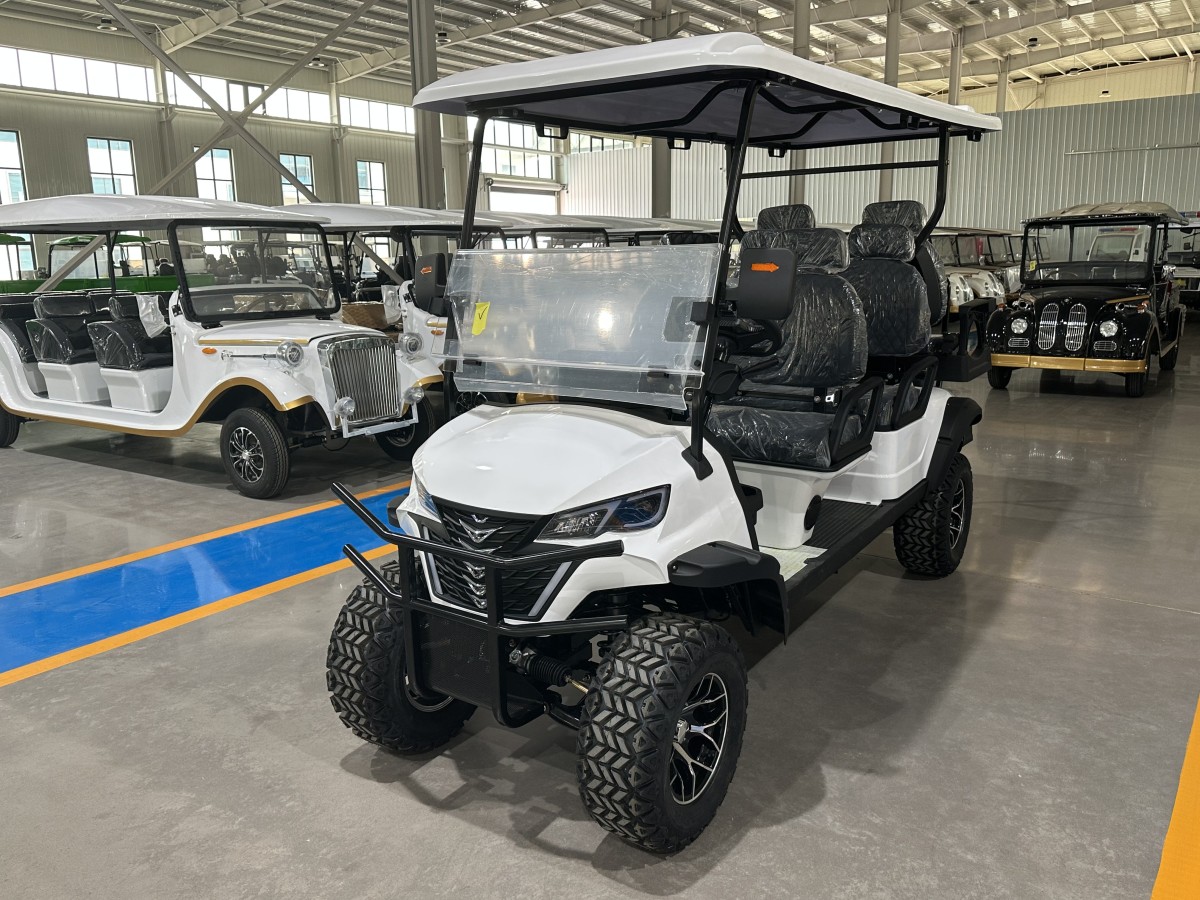
Start with the intended job, not the accessory list
Customization is easier to evaluate when the cart’s daily role is defined first. A vehicle used for guest transport has different priorities from one used for groundskeeping, warehouse movement, campus circulation, security patrols, or neighborhood travel where permitted. The same rear seat can be useful for passengers in one setting and unsuitable for carrying tools in another.
Before requesting a quotation, write down the operating conditions that cannot be compromised:
- How many people, or how much cargo, the cart needs to carry at one time.
- Whether it will run mostly on smooth paths, uneven grounds, indoor floors, or mixed surfaces.
- Expected daily travel distance and the time available for charging.
- Whether the cart must work in rain, heat, dusty areas, or locations with frequent stops.
- Required visibility equipment, such as headlights, turn indicators, mirrors, windshield, or warning devices.
- Space limits for parking, transport, elevators, gates, storage rooms, or charging bays.
- Any local operating rules that affect vehicle equipment or permitted use.
This information helps prevent an expensive but impractical build. For example, a cart requested with extra seating, a large battery pack, enclosed sides, and a cargo platform may become heavier than expected. The final vehicle must still have suitable payload capacity, braking performance, tire selection, suspension support, and charging arrangements. Adding features one by one without reviewing the whole configuration can create conflicts that only appear after delivery.
Ask which parts are factory options and which are special-order components
The phrase “custom electric golf cart” can describe very different purchasing paths. A factory option is normally part of a defined model range and may have an established installation method. A special-order component may be sourced from another supplier, fabricated for the project, or installed after a technical review. The latter is where minimum orders and longer lead times are more common.
Useful questions include:
- Is the requested feature available on the base model without structural modification?
- Is it installed during standard assembly or added afterward?
- Does the selected battery system change the charger, wiring, weight distribution, or compartment design?
- Are the proposed seats, cargo equipment, enclosure, or lift components rated for the intended load?
- Is a specific color or material stocked, or does it require a separate purchase?
- Will the configuration affect the availability of replacement parts later?
These questions are especially important when a buyer wants a single vehicle that looks substantially different from standard carts. A supplier may be able to achieve the same practical outcome through an available body color, compatible accessory package, and standard seating arrangement, avoiding the need for a bespoke production run. This is not a compromise when the alternative is paying for a feature that does not improve the cart’s actual use.
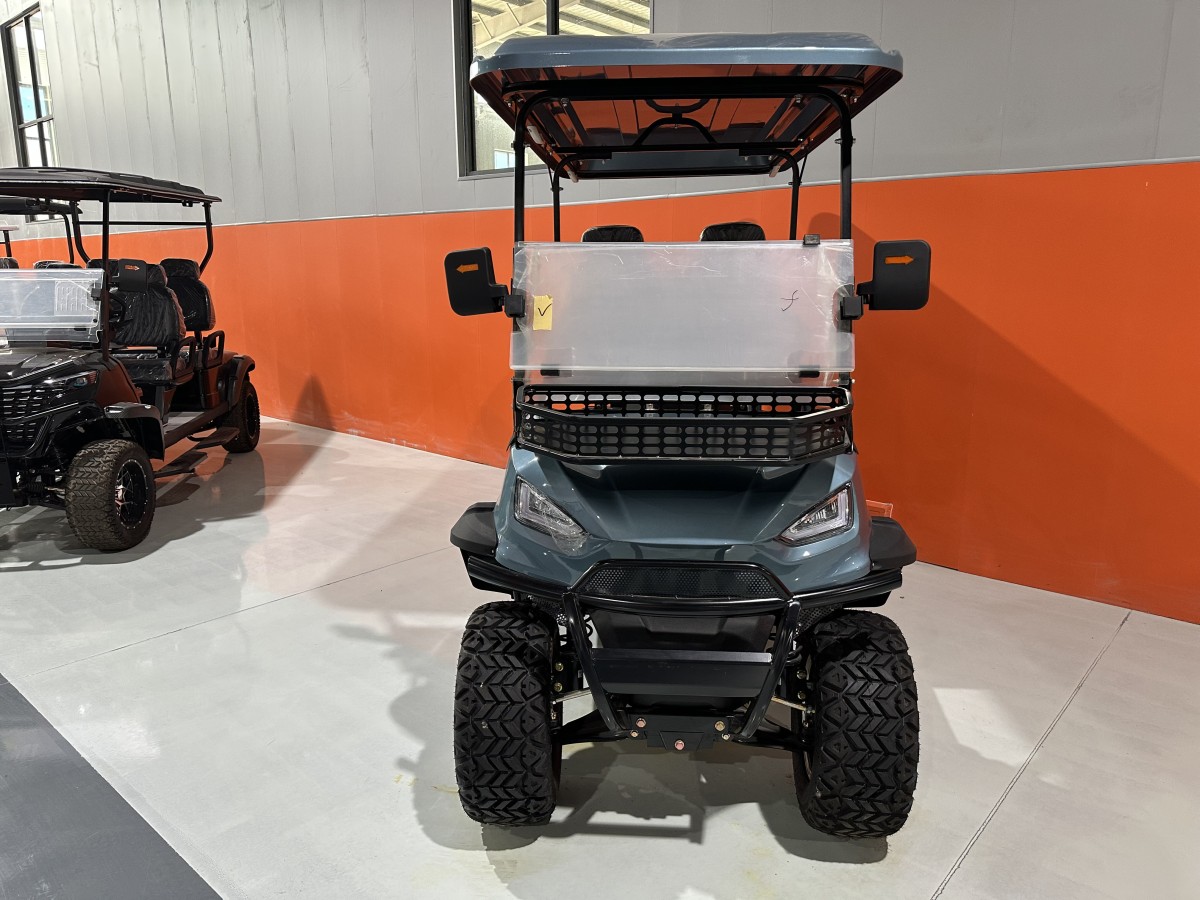
Battery choice can affect the order more than buyers expect
Electric golf cart customization often focuses on appearance first, yet the battery system may have a larger effect on the vehicle’s suitability. Battery type, capacity, charging method, and electrical accessories should be considered together. A cart expected to carry heavier loads, climb frequent grades, or operate throughout a long shift may need a different energy setup than a cart used for short trips around a flat property.
More electrical equipment can increase demand. Lighting, enclosed-cab ventilation, pumps, refrigeration equipment, communication devices, powered accessories, or extra outlets may change the electrical design. It is not enough to ask whether an accessory can be fitted; ask whether the battery and charging arrangement are designed to support the full duty cycle.
For a one-unit order, selecting a battery system already offered for the chosen platform is often simpler than requesting a completely different electrical architecture. Where a particular battery chemistry or charging setup is essential, confirm its availability before finalizing bodywork, seats, and optional equipment. A delayed battery component can hold up the entire order.
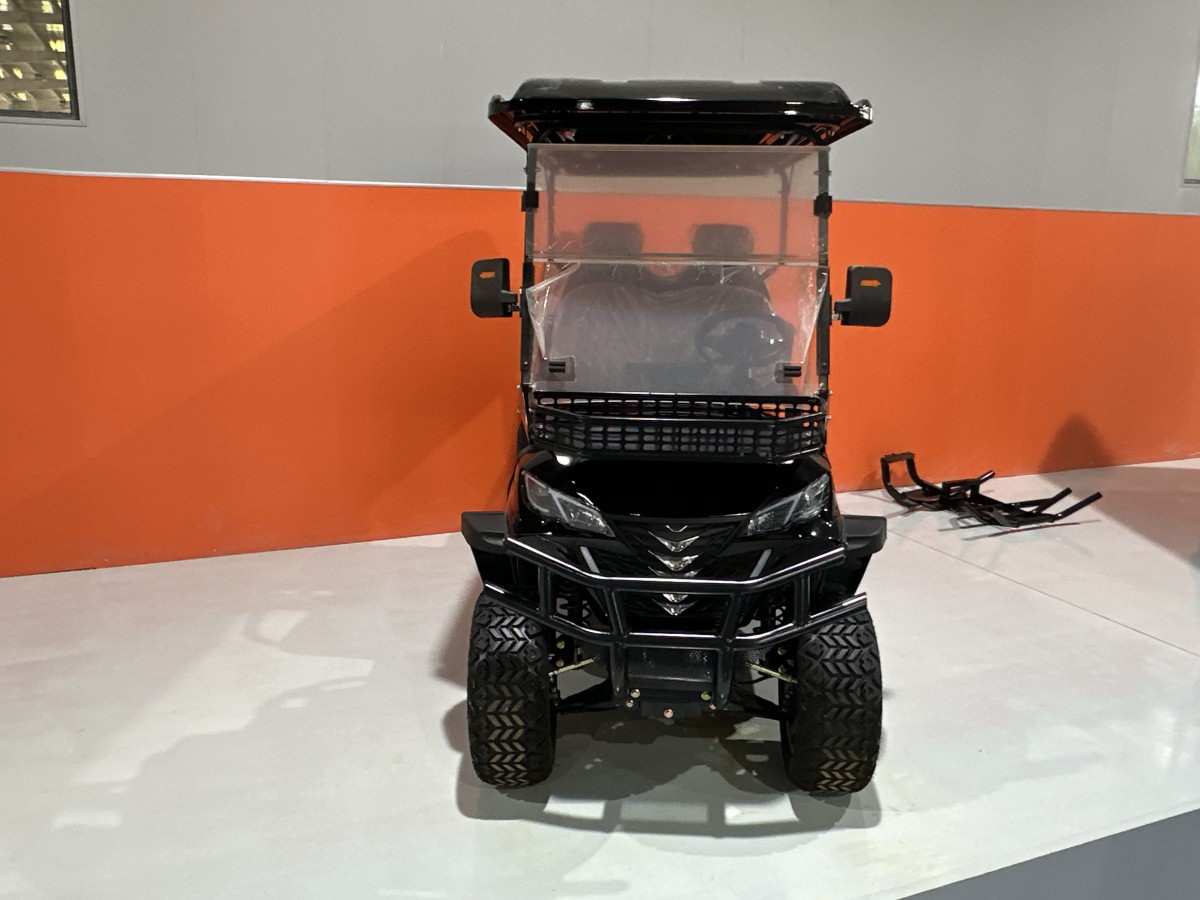
When a single-unit order is realistic
A one-cart purchase is generally more realistic when the buyer is willing to begin with an established model and choose from compatible configurations. This may suit a private property, a small hospitality site, a maintenance department replacing one aging vehicle, or a facility testing a new operating role before expanding its fleet.
To keep the request workable, prioritize changes that are easy to specify and verify: seating capacity, tire type, roof, windshield, lighting, mirrors, cargo solutions, color choices already available, and battery options designed for that chassis. Provide a ranked list rather than treating every feature as equally essential. The supplier can then identify which items are available on one unit and which ones may trigger a minimum quantity or substantial additional cost.
It also helps to ask for a specification sheet or written configuration summary before the order is confirmed. Verbal descriptions such as “heavy-duty,” “long-range,” or “all-weather” can mean different things to different people. The written version should state the base model, passenger arrangement, battery and charger details, selected accessories, tire or wheel specification, color or trim, and any cargo-related equipment.
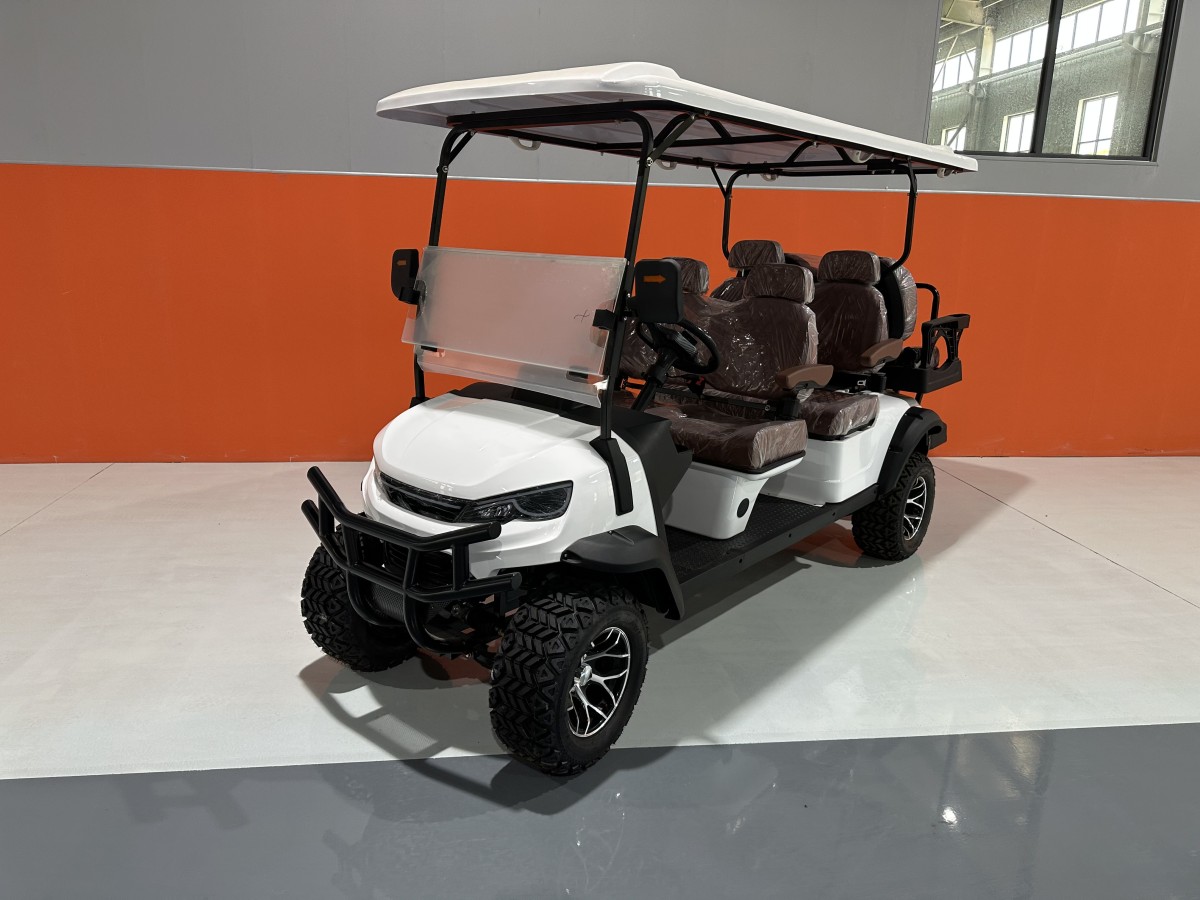
When ordering several matching carts makes more sense
A multi-unit order may be justified when carts will be used interchangeably across a site. Uniform vehicles simplify driver familiarization, charging routines, maintenance stock, and replacement planning. They can also make a custom feature more practical because the same parts and assembly procedures are repeated.
However, identical appearance does not always require identical specification. A property may need passenger carts for guest routes and utility carts for staff work, even if both use the same color and basic platform. Combining different roles into one overloaded design can reduce usefulness. Passenger seating may take away cargo space; utility tires may not be ideal for finished course paths; an enclosure appropriate for maintenance duties may not suit guest transport.
When comparing quantities, consider whether the carts must share the same operational features or simply need a coordinated visual identity. Standardizing only what matters can reduce the chance that a manufacturer imposes a higher minimum because of unnecessary bespoke elements.
How to request a quote without creating avoidable delays
An incomplete inquiry often produces a vague answer such as “subject to confirmation.” That is not necessarily a refusal; it usually means the supplier cannot determine whether the request uses standard components. A more useful inquiry describes the intended application and identifies the difference between required features and preferences.
- Choose a likely base cart type: passenger, utility, personnel carrier, or another established platform.
- State the number of units needed now and whether future purchases may use the same specification.
- List required features separately from preferred appearance changes.
- Describe passenger count, cargo load, terrain, daily use pattern, and charging access.
- Ask whether each requested feature is a standard option, an accessory, or a bespoke modification.
- Request confirmation of minimum order quantity, lead time, warranty terms applicable to added equipment, and spare-parts availability.
- Review the final specification for conflicts, especially where additional weight or electrical demand has been added.
Lead time deserves the same attention as the minimum order. A supplier may accept one custom unit but need additional time because a particular seat material, enclosure component, paint finish, or battery system is not held in stock. A larger order may also require longer planning even when it is easier to manufacture efficiently. The correct choice depends on the project deadline and how much flexibility exists around the specification.
Questions buyers often ask before ordering
Can I buy one custom electric golf cart?
Often, yes, when the cart is built from an existing platform with available options and compatible accessories. A single unit becomes harder to arrange when the request requires a new body design, special fabrication, dedicated materials, or engineering changes not used on regular models.
Does adding a logo automatically create a minimum order?
Not automatically. The answer depends on how the branding is applied and whether it requires special materials or production steps. Ask whether the requested finish can be handled as an individual accessory or whether it requires a separate supplier run.
Can a standard cart be customized after purchase?
Some accessories can be added later, but this approach is not suitable for every change. Battery capacity, seating layout, suspension-related equipment, wiring, and structural cargo attachments should be evaluated as a complete configuration. Retrofitting may also affect fit, load limits, service access, or warranty coverage for particular components.
What should be confirmed before placing the deposit?
Confirm the exact model, number of units, battery and charger arrangement, passenger or cargo capacity, included accessories, finish details, delivery timing, and which items are subject to special-order availability. If the cart will operate in a regulated area or public-access environment, confirm the required equipment and permitted use before committing to the build.
Related Posts
Online Message
Get in Touch
*We respect your confidentiality and all information are protected.