
Are 6-Seater Electric Golf Carts Suitable for Residential Areas?
For many communities, a 6 seater electric golf cart residential area use is becoming a practical option for short-distance travel, family outings, and neighborhood errands. But is it truly suitable for residential streets? Factors like safety, local regulations, noise levels, and charging convenience all play a role. Understanding these key points can help homeowners and property managers decide whether this larger electric golf cart is the right fit for daily community transportation.
Is a 6-Seater Electric Golf Cart a Good Fit for Residential Areas?
In many cases, yes. A 6-seater electric golf cart can work very well in residential areas when the community roads are low-speed, local regulations allow cart use, and daily trips are short.
It is especially useful for large families, gated communities, resorts, retirement neighborhoods, and properties where moving several passengers at once is more practical than using two smaller vehicles.
However, suitability depends less on the cart itself and more on the environment around it. Road rules, parking space, terrain, charging access, and safety expectations should all be checked before buying.
For residential use, the key question is not simply whether a larger electric golf cart can move people. The better question is whether it can do so safely, legally, and conveniently every day.
Why Homeowners and Communities Choose a 6-Seater Model
The biggest reason people consider a 6-seater model is passenger capacity. A standard two- or four-seat cart often falls short when families want to travel together inside a neighborhood.
That extra seating matters for school drop-offs inside private communities, visits to local amenities, pool trips, community events, and short rides between nearby homes and clubhouses.
Property managers also see value in reducing short car trips. When residents use electric carts for internal transportation, traffic feels calmer, parking pressure may ease, and noise levels usually stay lower.
Electric models are particularly attractive because they are quiet, simple to operate, and generally cheaper to run than gas-powered alternatives for frequent neighborhood use.
For some buyers, the cart is not just transportation. It becomes part of the daily lifestyle, supporting convenience, social mobility, and easier movement for children, older adults, or guests.
What Makes Residential Area Use Practical or Problematic?
A 6 seater electric golf cart residential area use works best in master-planned communities, private developments, and neighborhoods with smooth roads and controlled traffic speeds.
Wide streets and predictable traffic patterns make a major difference. A larger cart needs room to turn, pull over, and park without creating inconvenience for cars, cyclists, or pedestrians.
Short travel distances also improve practicality. If most trips are under a few miles, electric range is rarely a problem, and charging can be handled at home with minimal disruption.
Problems usually appear when communities have steep hills, uneven road surfaces, limited parking, or road-sharing conditions that expose golf carts to faster-moving vehicles.
Another challenge is usage pattern. If the cart is expected to replace a car for all local travel, owners may become frustrated by speed limitations, weather exposure, and limited cargo space.
Are They Safe Enough for Neighborhood Streets?
Safety is the most important issue for most buyers, and it should be. A 6-seater cart carries more passengers, which means more responsibility in braking, turning, and weight distribution.
In well-managed residential settings, electric golf carts can be safe for neighborhood transportation, especially when speed limits are low and drivers understand how carts handle under load.
That said, they are not direct substitutes for passenger cars. Many golf carts do not offer the same crash protection, restraint systems, lighting standards, or road visibility as full-size vehicles.
Safety improves significantly when the cart includes essential equipment such as seat belts, headlights, brake lights, turn signals, mirrors, a horn, and reliable tires suited to paved surfaces.
Families with children should pay close attention to seating design and passenger behavior. Children should remain seated while the cart is moving, and overloaded or improvised seating should never be allowed.
Braking distance also changes when all six seats are occupied. Buyers should ask about suspension, brake quality, and rated passenger capacity instead of assuming every 6-seater performs the same way.
Do Local Regulations Allow a 6-Seater Electric Golf Cart?
Before purchase, regulation checks should come before brand comparisons. In many places, the biggest obstacle to residential use is not performance but whether local laws allow golf carts on neighborhood roads.
Rules vary widely by city, county, state, and homeowners association. Some communities allow golf carts only on private roads, while others permit them on certain public streets with speed restrictions.
There may also be equipment requirements. Depending on the jurisdiction, legal residential operation may require lights, reflectors, mirrors, slow-moving vehicle markings, registration, or insurance.
In planned communities, HOA rules can be just as important as public law. Associations may regulate operating hours, parking, charging, cart appearance, and where carts may be driven.
A practical buying process includes checking municipal codes, speaking with the HOA or property management office, and confirming whether the specific model can be configured for compliant use.
How Convenient Is Charging for Daily Neighborhood Use?
Charging convenience is one of the strongest advantages of electric carts in residential settings. For most households, overnight home charging is easy and fits naturally into normal routines.
Because neighborhood trips are usually short, many owners do not need to charge every day. Actual charging frequency depends on battery type, terrain, passenger load, and total weekly mileage.
Battery chemistry matters here. Lithium batteries typically charge faster, require less maintenance, and offer more consistent performance, while lead-acid batteries often cost less upfront but need more attention.
Homeowners should also consider where the cart will be stored. A secure, covered space with access to a power outlet makes residential ownership much smoother and helps protect the battery system.
For communities evaluating fleet-style resident use, shared charging areas may be worth considering. However, for individual households, a simple garage or carport setup is often enough.
What About Noise, Comfort, and Everyday Experience?
Electric golf carts are popular in residential areas partly because they create a quieter environment than gas models. That lower noise level supports a more peaceful neighborhood atmosphere.
Comfort is another factor that becomes more important with six passengers. Buyers should examine seat padding, rear-facing seat layout, legroom, suspension quality, and ease of entry for older riders.
A 6-seater cart may feel ideal for a family ride to the clubhouse but less comfortable on rough pavement or longer routes. Test driving under realistic passenger weight is a smart step.
Weather exposure also shapes the ownership experience. Optional enclosures, windshields, canopies, and storage accessories can improve comfort and extend usefulness across seasons.
In residential communities where carts are used often, these comfort details are not minor upgrades. They directly affect how frequently the vehicle is used and whether residents remain satisfied over time.
Is a Larger Golf Cart Too Big for Residential Use?
Size is a fair concern. A 6-seater is longer and heavier than a smaller golf cart, so maneuverability can be different in tight driveways, cul-de-sacs, and crowded community parking areas.
That does not automatically make it unsuitable. In many neighborhoods, the larger footprint is still manageable, especially when roads are designed for community vehicles and parking areas are generous.
The tradeoff is simple: more seats bring more convenience, but they also require more storage space and slightly more planning for turns, parking, and reversing.
For buyers who only occasionally transport more than four people, the extra size may feel unnecessary. For households that regularly move children, grandparents, or guests, the larger format often makes sense.
Residential suitability depends on whether the added capacity solves a real daily need. Buying bigger without a clear use case can reduce convenience rather than improve it.
What Costs Should Buyers Consider Beyond the Purchase Price?
Many buyers start with sticker price, but ownership cost matters more over time. A residential cart should be evaluated based on maintenance, battery replacement, charging cost, insurance, and accessories.
Electric operating costs are usually low, especially for short local trips. Still, the long-term battery plan deserves close attention because replacement cost can be significant depending on battery type.
There may also be costs for road-ready features, weather protection, upgraded tires, storage covers, and seating materials that hold up better under frequent family use.
If the cart will be used in a managed residential property, owners should also ask about registration fees, HOA permits, or community-specific inspection requirements.
From a value perspective, the right question is whether the cart reduces enough short car trips and improves enough daily convenience to justify its total ownership cost.
Who Benefits Most From a 6-Seater Residential Golf Cart?
The strongest fit is usually families living inside golf cart-friendly communities where many daily destinations are close and roads are designed for low-speed local movement.
Retirement communities can also benefit, especially when residents need a simple and accessible way to travel to clubhouses, mail centers, social events, and nearby amenities.
Large private properties are another good use case. A 6-seater electric model can move people across the property more efficiently than repeated trips in smaller carts.
Community operators and property managers may see value as well when resident expectations include quiet, convenient internal transport and reduced dependence on short car journeys.
By contrast, neighborhoods with mixed high-speed traffic, limited cart infrastructure, or strict access rules may not offer the conditions needed for comfortable long-term use.
How to Decide Before You Buy
The best buying decisions come from matching the vehicle to the neighborhood, not just the passenger count. Start by reviewing road types, speed limits, parking conditions, and legal restrictions.
Then consider actual usage. How often will six seats be occupied? Are the usual trips quick rides to amenities, or will the cart be expected to handle broader local transportation needs?
Next, review safety equipment and battery options carefully. A well-equipped electric cart with proper lighting, braking, and reliable charging support is usually the better long-term choice.
It is also worth testing a model in realistic conditions. Drive it with several passengers, check turning space at home, and evaluate comfort on the same roads it will actually use.
For HOAs or property managers, a short evaluation checklist can prevent disputes later. Policies on use, speed, parking, charging, and passenger safety should be clear before adoption grows.
Final Verdict
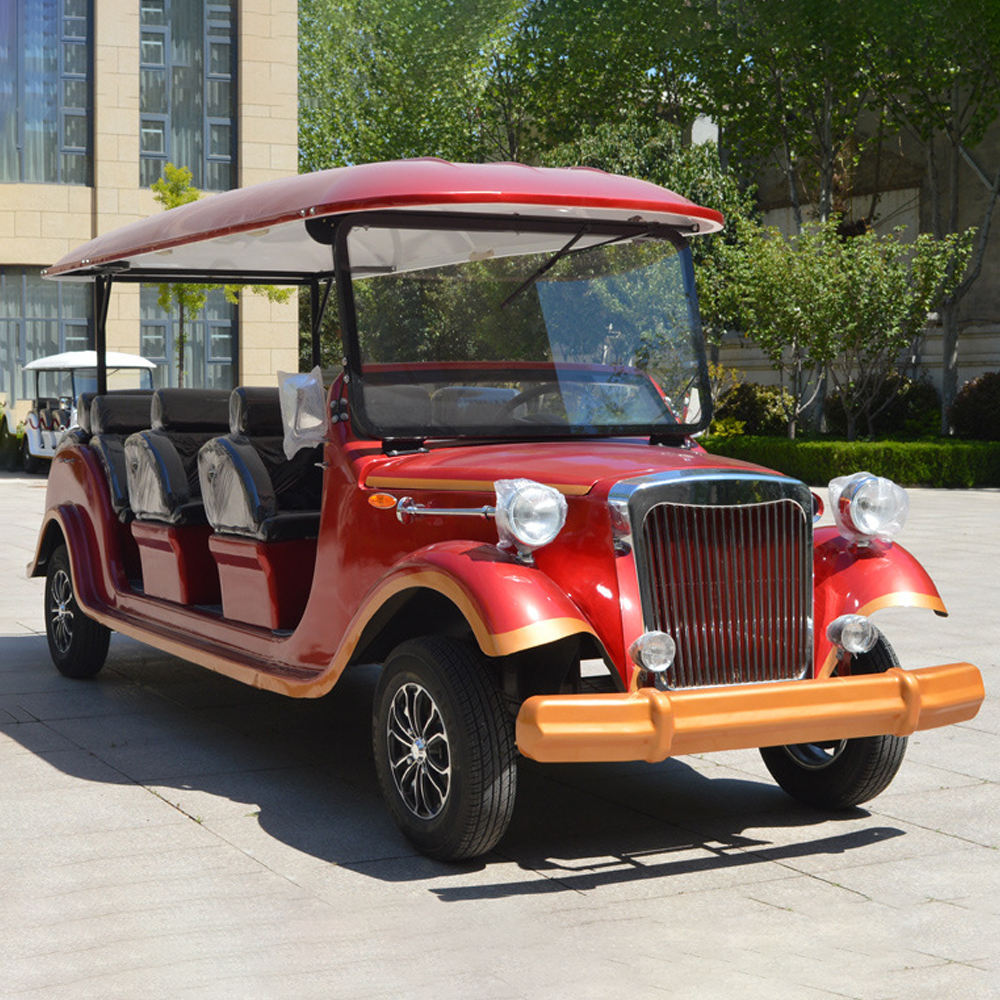
A 6 seater electric golf cart residential area use can be an excellent solution when the community supports low-speed travel, legal use is clear, and the vehicle meets real household needs.
Its biggest strengths are quiet operation, multi-passenger convenience, and low-cost short-distance mobility. Those advantages are especially meaningful in family-oriented and amenity-rich neighborhoods.
The main limits are safety expectations, road compatibility, size, and local regulations. Buyers who ignore those factors may end up with a vehicle that feels less practical than expected.
For most residential buyers, the right conclusion is straightforward: a 6-seater electric golf cart is suitable when the setting is designed for it and the purchase is based on daily use reality.
When evaluated with that mindset, it becomes more than a lifestyle accessory. It becomes a useful neighborhood transportation tool that can add genuine convenience to residential life.
Related Posts
Online Message
Get in Touch
*We respect your confidentiality and all information are protected.